
Claude agents are more persistent, working for hours at a time, for marketing tasks done through your Chrome browser or API. Because our SOPs have dozens of tasks in sequence, I get more efficiency on my time by deploying agents right before I’m about to head into a meeting or go to bed, since they’re working when I’m not.
So those 5-minute chunks of in-between time that I would have burned doing low-value chores now become high leverage.
I voice-dictate the goal and context, which usually takes me 3 minutes, so the idea of a “prompt” is ridiculous. Instead of having to repeat myself over and over or explain how I want to do something, I verbally mention our article guidelines, Dollar a Day strategy, and other trainings. And then I see the agents go watch those trainings.
The numbers behind my agent workflow
I burn 150 million tokens a week in Claude 20x Max, which costs me only $200/month plus about $250 in extra usage when I exceed session limits and want to keep going. Because I typically have 8 to 10 agents working at the same time, that extra usage is about a dollar a minute. Anthropic is selling this 20x plan at a massive loss to get market share.
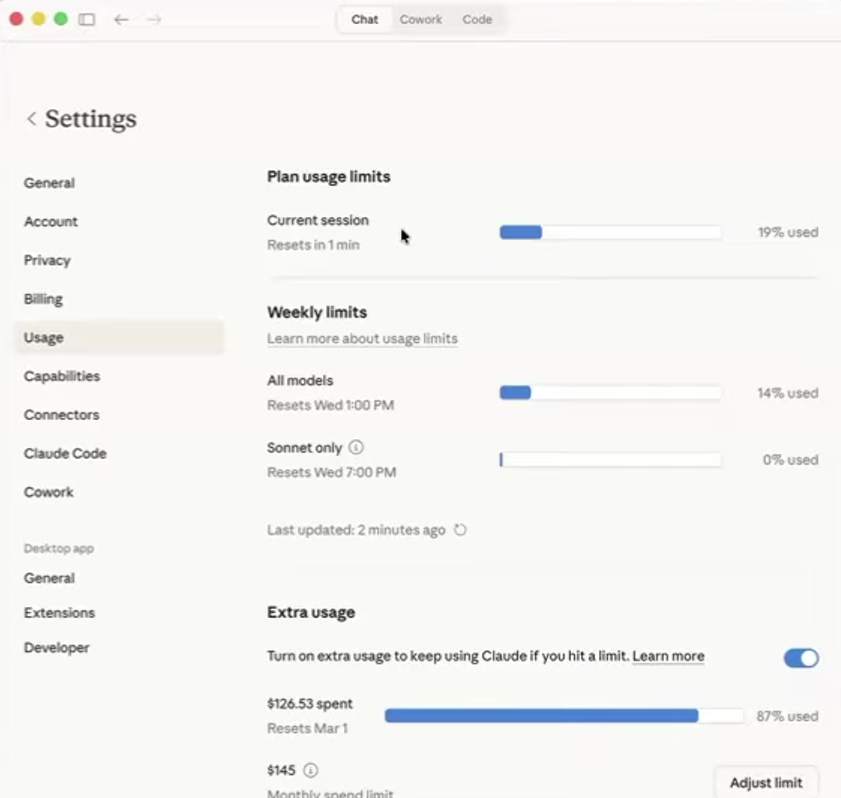
I’m running on a MacBook Pro with 128 GB of RAM, so I can have more agents working. Chrome eats about 1 GB of RAM per tab. So my 8 to 10 agents will have a few tabs each open in Chrome groups, while I might have 10 tabs for myself.
I estimate my usage of Claude would cost $7,500 a month if I paid the normal API pricing of $5 per million input tokens and $25 per million output tokens. We have guys on our team running two Claude accounts at $400 per month total because it’s actually cheaper than the API.
What my agents did while I slept
Last night, before I went to bed, I set my agents to work.
For my content repurposing agent, I logged into a client’s website and told it to grab all their YouTube videos, run them through our article processor, reference our BlitzMetrics article guidelines, turn them into blog posts, publish them on the site, and link them together with proper categories and tags.
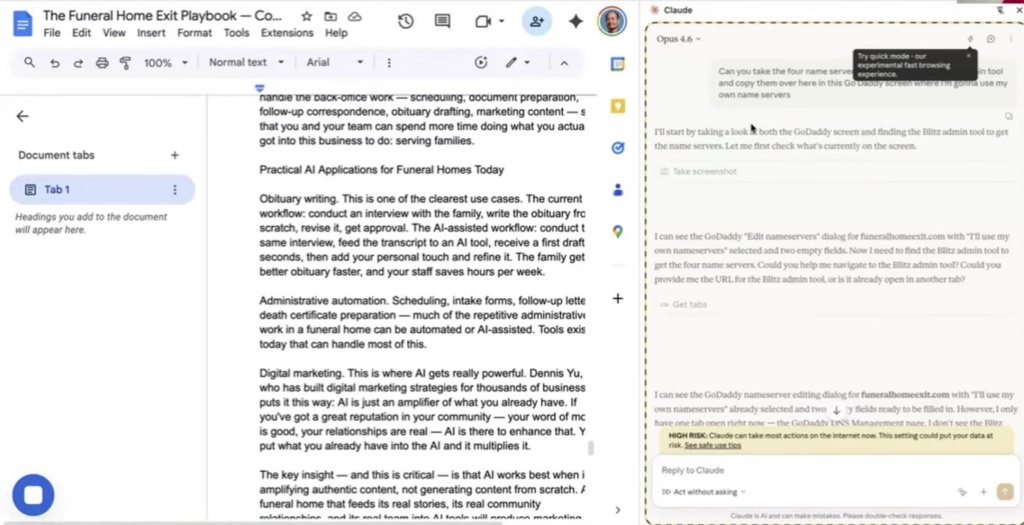
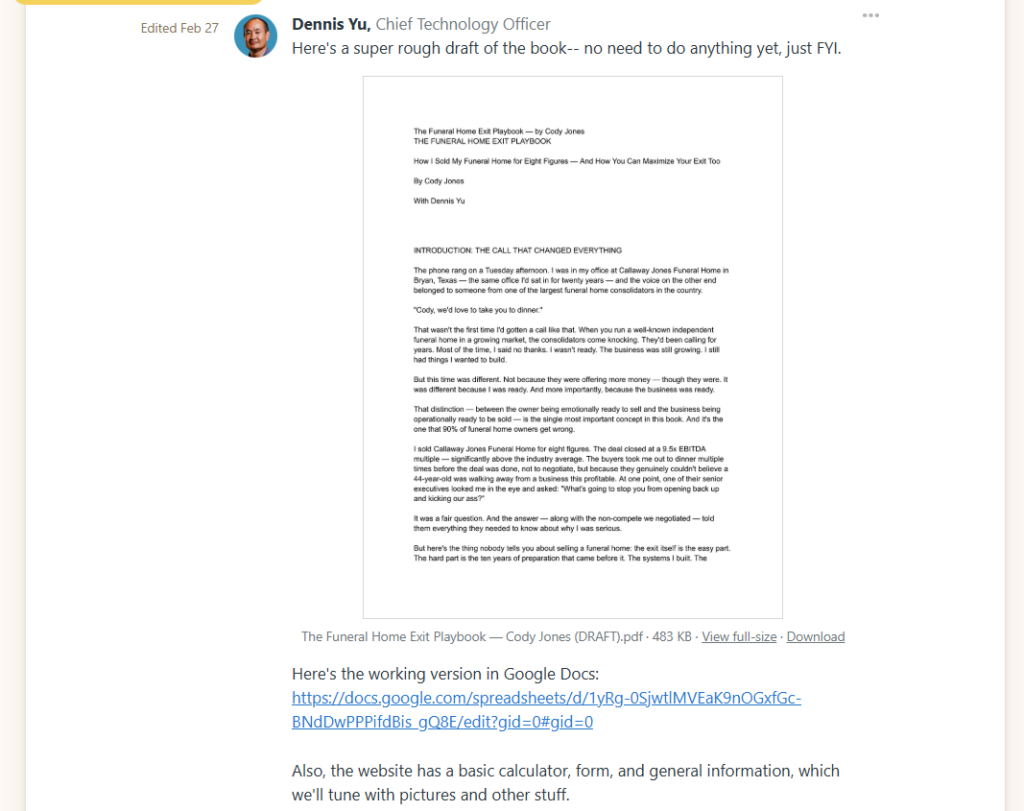
For my book writing agent, I worked with a client named Cody Jones, who sold his funeral home for eight figures and wants to help other funeral home owners do the same. I had an agent write a book called What Is Your Funeral Home Worth? and build a website at FuneralHomeExit.com.

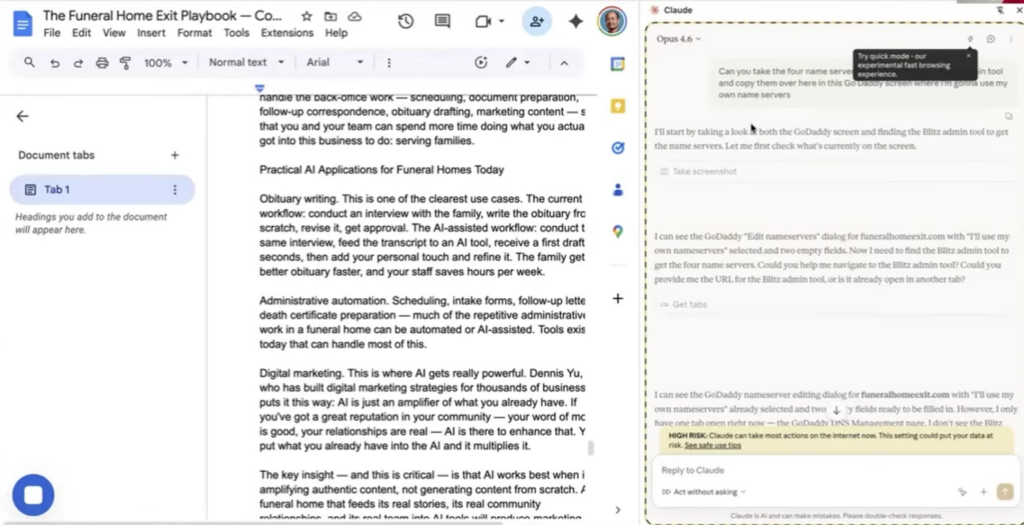
For my tool-building agent, I described an interactive tool where funeral home owners can input details about their business, like how long they’ve owned it, their call volume, whether they own their equipment, and get a valuation. I literally didn’t have to give it more information than that.
For my website audit agent, I had it audit a friend’s HVAC company website, analyze his rankings, review local service ads, and prepare a full report for our meeting the next day.
By morning, the website was built, the tool was functional, the book was written, and the audit report was ready.
Transparency is key
I don’t hide any of this from clients. I tell them straight up that I guided the AI agent to produce the work for us and ask what they think. I don’t consider it cheating. It’s simply the new way we work with teams.
Because now all work is done by my team, I more commonly say “we” when describing work that was done, even if it was “me” and a couple agents with no other humans.
We used to get a double shift by employing teams in the Philippines or India. We’d work during the day, hand things off at night, and wake up to completed work. People would say, “Dennis, how did you get all this done overnight?” Now, my overnight team comes from the country of OpenAI and the country of Claude.
Why Claude wins right now
I’ve tested Perplexity, OpenAI, and Gemini for similar workloads. Right now, Claude wins. ChatGPT keeps timing out. OpenAI has a billion users and simply doesn’t have the hardware, electricity, and data center capacity to keep up. Maybe that will change. Maybe Grok will become more powerful as xAI scales. But today, Claude is what’s working.
Despite me demonstrating how I’m using these agents in live training calls, workshops, and conferences, where I’m literally speaking commands and providing SOPs, 90% of people just won’t do it. And almost no amount of convincing will get those horses to drink the water, so focus on A Players who are motivated.
What’s still valuable, and what isn’t
Virtual assistants are mostly cooked, except the few who have critical thinking skills and can learn team management. Technical skills are nearly useless, since the agents can write better than me, though it’s harder for agents to fool me, since I can inspect the work.
We have agents write up what they did after completing a block of work, comparing against the QA checklist for that task. Then we feed those examples back into the SOPs to make them better.
My sustainable value (and yours) is relationships and physical assets, which the AI can’t replace yet.
Working with multiple models
I have developed a “relationship” with ChatGPT, who knows me, strengthened by its growing, persistent memory, making me reluctant to talk to other models. I’ve overcome this by asking ChatGPT to create a complete profile of who I am so that I can use Claude, Gemini, and Grok.
I have the models audit each other’s work, which may or may not create a competitive rivalry. Something nice about having third-party cross-accountability.
The agent lifestyle
Here’s what this looks like in practice. Before dinner, before a workout, before heading out with friends, I instinctively get my agents working. While I’m having fun, I know they’re busy.
And yes, if you’re the type who sneaks off to the bathroom at dinner to check emails, I do the same thing, except I’m checking on my agents, giving them a little feedback, and then heading back to whatever I’m doing. It could be a whole day of skiing, and I don’t feel guilty because I know my team of agents is on it.
The shift from worker to manager
My buddy Ryan Lucia just bought a 128 GB MacBook M5 Max specifically for this workflow. He’s an agency owner who still employs people, but he’s helping his team learn how to use agents. That means shifting from a worker mindset to a manager mindset.
The idea of going to a conference to “learn” by watching people read PowerPoint slides is now ludicrous. I want the result, so I want the underlying SOPs from people who have actually accomplished the thing I desire to feed my agents.
Ready to get started
Finally, it takes less time to actually do the thing than to talk about it.
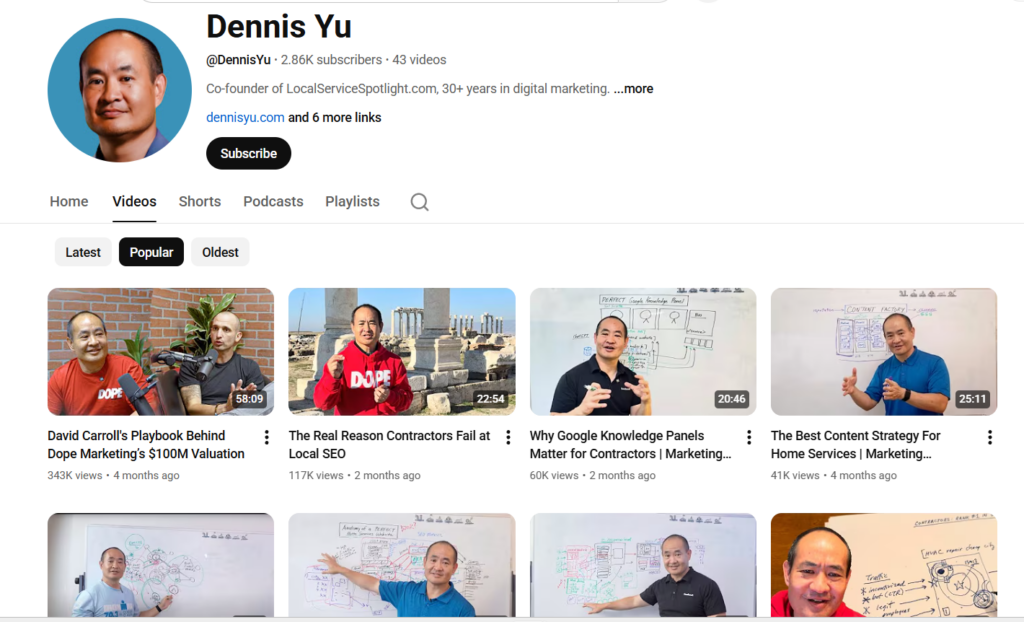
Subscribe to my YouTube channel, The Marketing Mechanic. Every week we drop new whiteboard episodes based on direct experience.
There’s no better time than right now. If this is the signal you’ve been waiting for, let this be your sign.