
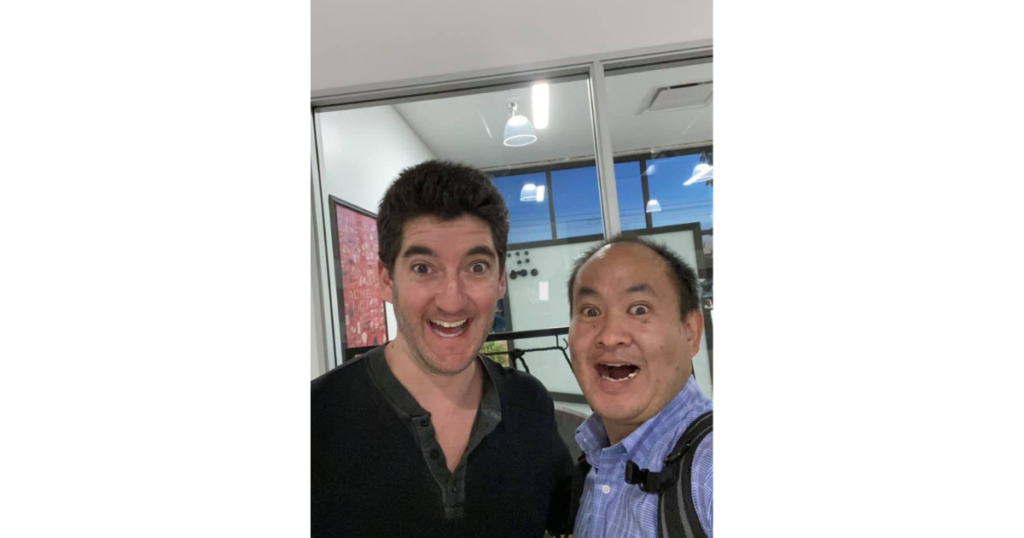
I recently sat down with Erik Huberman, founder and CEO of Hawke Media, for an episode of Coach Yu. What started as a simple conversation turned into one of the most honest discussions I’ve had about what it really takes to build and scale a marketing agency.

The number one reason most agencies fail
One of the first things Erik told me was something most people in this industry don’t want to hear. The biggest reason people aren’t successful building agencies is because they don’t actually know how to grow a business. Not their own business, but other people’s businesses. He put it bluntly. If you haven’t done anything in marketing, if you haven’t grown any businesses, then don’t start an agency. He called it borderline fraud, convincing people to hire you to do marketing when you don’t know what you’re doing.
And he’s right. I see it constantly. There are so many sales-driven people out there who can close clients but can’t deliver results. They end up on a hamster wheel, churning through clients and burning reputations. Erik said those agencies might hit a million in revenue, but they’re doing maybe one or two hundred grand in profit because they’re constantly replacing lost business. At that point, you might as well have gotten a job.
What people don’t see behind the highlight reel
I asked Erik about the shiny Instagram side of things. The acquisitions, the celebrity events, the HawkFest gatherings. What don’t people see?
His answer was refreshingly honest. Behind all of that are 10 to 12 hour days filled with back-to-back calls, P&L reviews, budgeting discussions, legal issues, and firefighting. He told me about spending an entire weekend on the phone with an insurance company because a policy got screwed up and they were exposed if it wasn’t fixed by Monday.

He doesn’t post that kind of thing on Instagram. He doesn’t want it to be a complaint reel. But that’s the reality of entrepreneurship.
Where the energy comes from
I was curious about how Erik sustains his energy. He’s running marathons, training for triathlons, lifting three days a week, eating clean. But he told me that physical health is only part of it.
The real driver is momentum. When things are going well, when you feel progress, energy is effortless. He said he could work day and night and not need sleep. He compared it to watching guys like Mark Wahlberg or Rob Dyrdek, people that outsiders think are machines, but from the inside, it’s just excitement fueling the fire.

The hard part is when things aren’t going well. That’s when discipline kicks in. You push through because you’ve felt the good times before and you believe you’ll get back there.
When to quit versus push through
This was one of the most interesting parts of our conversation. Erik said the only reasons businesses fail are two things. You get underwater financially, or you give up. Knowing when to give up is the hard part.

His advice is to separate the momentary frustration from the big picture. If the current fire wasn’t burning, would you still not want to do this? If the answer is yes, then maybe it’s time. But if you’re just in a tough stretch, that’s not a reason to quit. Life is hard regardless of what you do. You’re not going to avoid problems by changing your job.

Why “agencies are dead” is the new “email is dead”
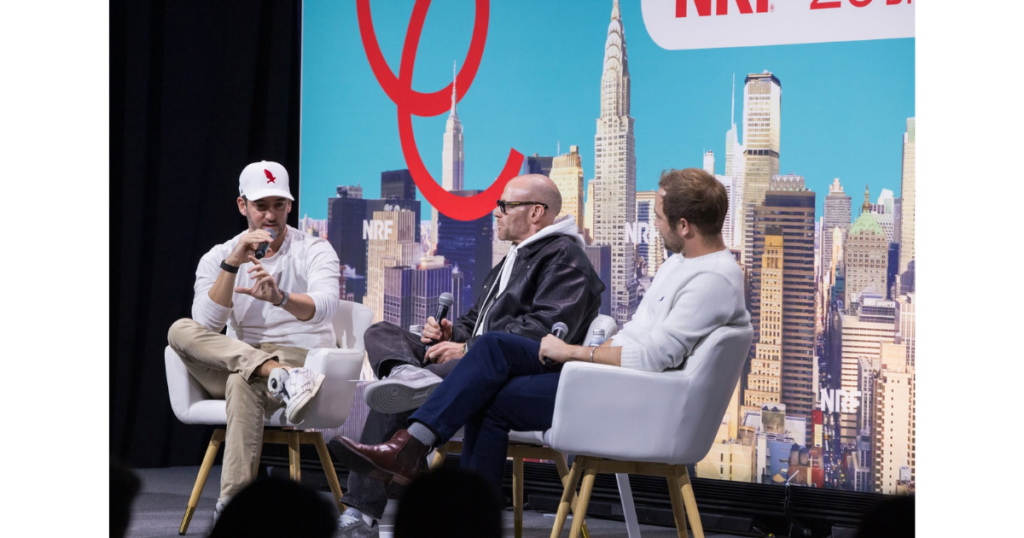
I brought up what a lot of people in the industry are saying, that agencies are dead, that AI is going to replace everything. Erik had a great perspective on this.
He said people mostly work on emotion and then use logic to justify it. It’s been a hard few years for agencies because of interest rates and market volatility, not because of AI. People who are tired of the grind are looking for a reason to get out, and “the world is changing” is a convenient justification.

He reminded me that when he started Hawke Media, people were calling for the death of email. Eleven years later, email is still one of the most profitable channels for companies. The same thing is happening with AI. Search isn’t dying, it’s shifting. Companies still need help navigating that shift.
AI and what gets him excited
Erik is optimistic about AI. He told me about a company that built an AI system to match existing drugs to diseases they weren’t originally designed to treat. A founder with a rare autoimmune disease used AI to find that a basic kidney transplant anti-rejection drug could fix his condition. Now that system is finding new uses for already-approved drugs across all kinds of diseases.
That’s the kind of thing that gets Erik excited. The ability to solve problems on paper and analyze data has surpassed anything we could have imagined. But he also has concerns. He worries about idle hands. If people’s basic needs are covered and there’s less pressure to be productive, some will find purpose, but others might not. That’s the part that needs watching.
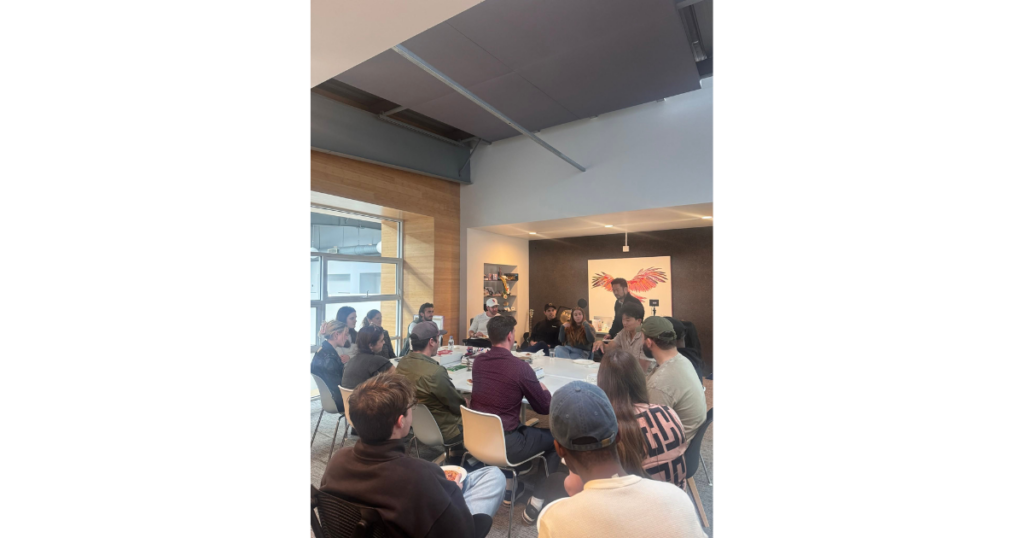
We went deep on UBI, capitalism, robots in the home, and what happens when everything trends toward free. It was one of those conversations where you realize the future is closer than most people think.
The CPA for marketers
This is something Erik and I have talked about for years. There are over 250 jobs in California that require government licensing, including milk delivery and hairstyling. But managing hundreds of millions of dollars in marketing spend? No regulation at all.

Erik looked into creating a certification, like a CPA for marketers. He went to lobbyists. They refused to take it on because they said they’re considered marketers themselves, and they didn’t want to regulate their own industry. The challenge of doing it state by state, and the risk of just pushing talent to unregulated states, made it impractical for someone with a full-time job running an agency.
I’ve had similar experiences trying to push this through in the US, though I’ve found more traction in other countries like Pakistan, Brazil, and Norway.
Scaling past seven figures
We talked about the difference between building a million-dollar agency and a ten-million-dollar one. Erik said getting to a million is mostly about selling fast enough to outpace churn, whether or not you’re actually good. But getting to ten requires keeping clients, doing great work, and building a real reputation.

He also made an interesting point about talent. The people who bring in clients are rarely the same people who service them. The entrepreneurial ones eventually want to go do their own thing, and the service-oriented ones don’t want to sell. Finding someone who truly wants to do both is rare.
The tariff effect
Erik was candid about the current economic climate. He’s had clients delay kickoffs because of tariff uncertainty. One client told him they manufacture in Mexico and needed to hold off because they didn’t know if their cost base was about to double.
His take is that if the uncertainty resolves quickly, the damage is minimal. But if it drags on, it could cause a real recession because people will hold off on growth investments for too long.
60,000 hours and counting
Toward the end of our conversation, we did some rough math. Erik has been in digital marketing for about 16 years, working around 70 hours a week. That’s roughly 60,000 hours. We’ve both passed the 10,000-hour rule five or six times over.
He quoted Gary Vaynerchuk’s line that being an entrepreneur is eating shit, and your ability to swallow determines how successful you are. Erik’s own mantra is “Work like most won’t, so you can live like most can’t.”
Even in the hardest moments, staring into the abyss and wondering how he’s going to fix things, he looks at the life he’s built and knows it’s worth it. He wouldn’t choose the hard situations, but he’d choose this life all day.
That’s the kind of clarity that only comes from putting in the hours.
Originally published .