
I recently sat down with Ken Okazaki, video strategist and founder of 20X, on The Coach Yu Show, and what he shared completely reframed how I think about video for business. Ken helps some of the biggest entrepreneurs and coaches in the world turn video into actual clients, and his approach is refreshingly different from what most people teach.
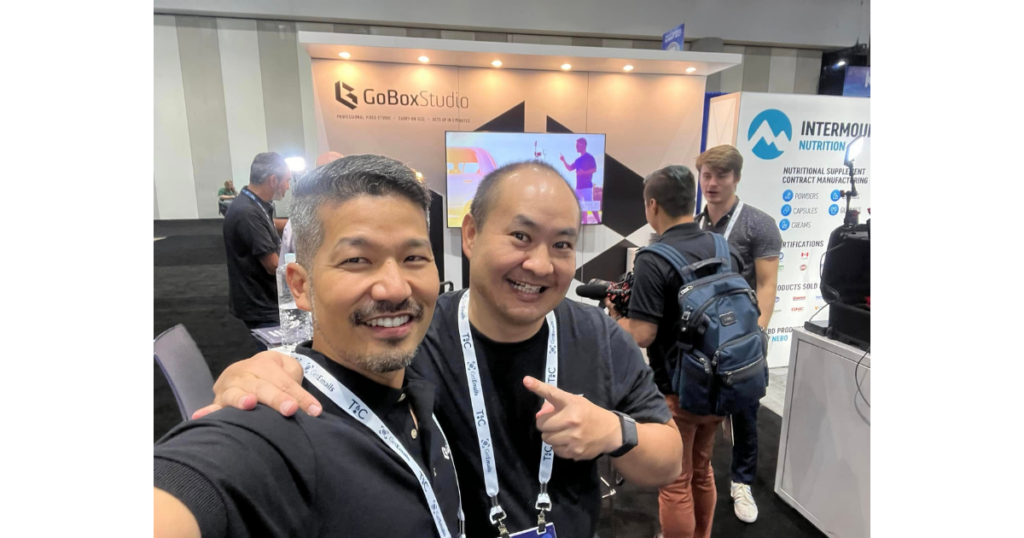
Stop chasing virality
One of the biggest takeaways from my conversation with Ken is that most business owners are optimizing for the wrong thing. “People don’t hire me to be famous,” Ken told me. “They hire me because they want more customers.”
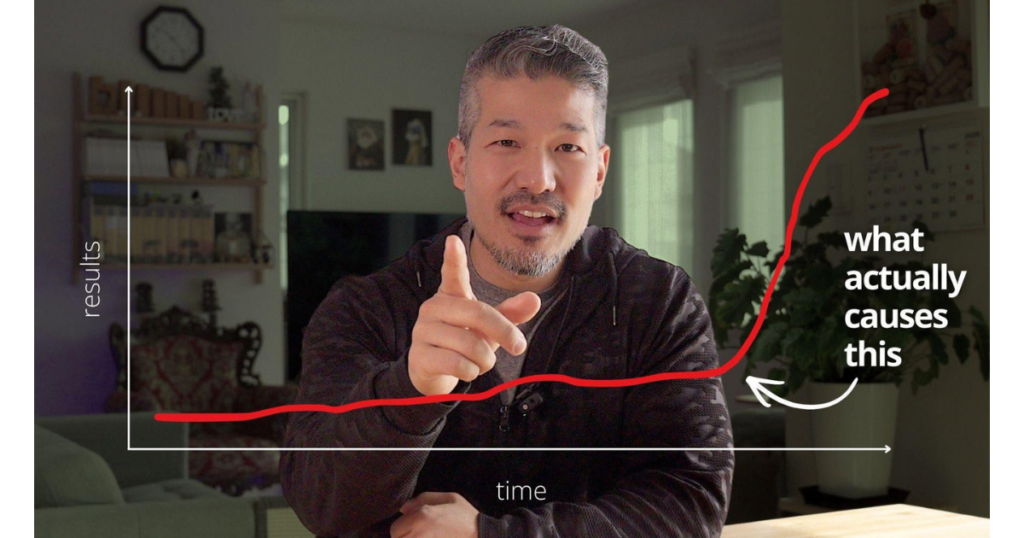
Ken only has about 7,000 Instagram followers himself, and he’s totally fine with that. His clients are paying multiple five figures a month because he delivers actual leads, not vanity metrics. That really hit home for me.
The SETI framework
Ken’s agency runs on a four-week cycle he calls SETI:
- Strategy: Map out the four-week content campaign
- Execution: Shoot the content
- Traction: Analyze the numbers and find patterns
- Innovate and improve: Take what’s working and turn it to “level 12”

This cycle repeats continuously, and I love how systematic it is. Every piece of content builds on the last.
Find your winning formula, then double down
Ken shared a great example of a client who coaches stay-at-home moms. One post with smiling children on the cover performed exceptionally well. The client assumed it was the copywriting, but Ken identified the real pattern: the big, happy smiles. By doubling down on that specific visual element, they consistently outperformed other content.
“Remake your best videos” is Ken’s number one hack, and I’m guilty of not doing this enough. Instead of constantly chasing new ideas, take what’s already working and make it better. Even MrBeast follows this approach. He started by giving away $1,000, then $10,000, then $100,000, essentially remaking the same concept with one variable changed.
I had a video on SEO do really well about a year ago. Plumbers, roofers, and home service businesses shared it around, and it brought us a lot of clients. So I re-shot that same video a couple weeks ago at the Great Pyramids in Egypt. Same concepts, better location, and we’re more versed on the subject now. That’s exactly what Ken is talking about.
Use your phone first, upgrade later
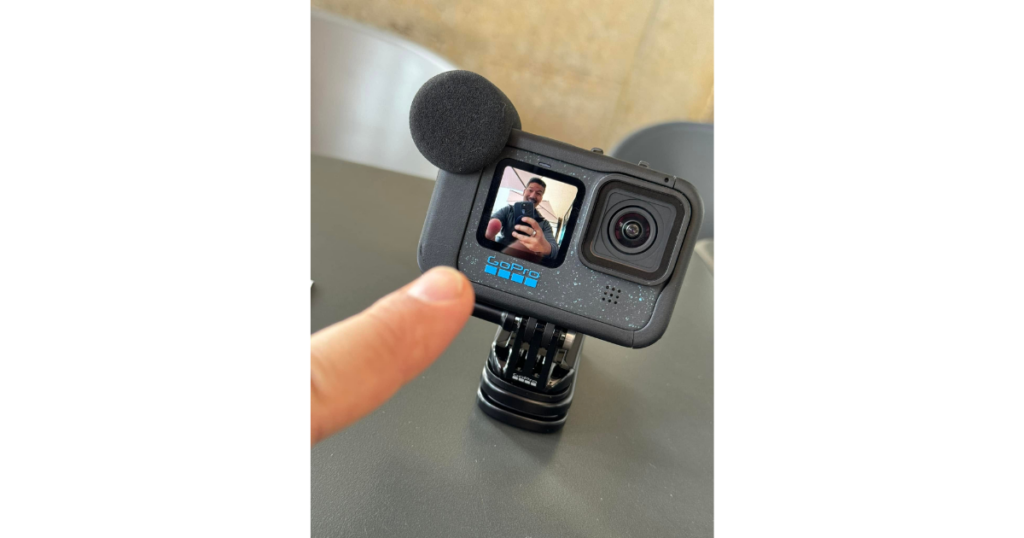
When people ask Ken what camera or equipment to buy, his answer is simple: use your phone. Master storytelling and social media first. Once that starts bringing in leads and sales, reward yourself with better equipment.
I can relate to this. My most successful videos, ones that drove millions in views and sales, were raw, unscripted walk-and-talk videos shot at the airport with no microphone. The polished studio content generally hasn’t done as well.
When production value matters
That said, Ken made an important point about when production value does matter. He took one of his best-performing webcam videos, re-shot it line by line on a white sand beach in the Philippines with a full crew, and it outperformed the original by eight times in qualified leads.

The key: he already had a proven winning formula. He didn’t go to an exotic location hoping the scenery would carry the content. He took proven content and elevated it. That distinction is huge.
Beat the control
For clients spending seven figures monthly on ads, Ken’s team operates on a “beat the control” mentality. They take a winning ad and create 30 variations in a single day, then test each one against the control over 30 days.
Any business owner can apply this at a smaller scale. Boost your best organic post for $50 a day, establish a baseline cost per lead, then create variations and run them simultaneously. Kill the loser, bring up a new challenger. I love this approach because it’s just playing King of the Hill with your content.
The power of curiosity hooks
Ken emphasized the importance of non-obvious opening hooks. Instead of showing a product directly, create curiosity. His example: instead of opening an ad for a dog grooming brush with the brush itself, start with a video of fur tumbling out of a truck. Viewers think, “What am I looking at?” That curiosity pulls them in, and the longer you stretch that tension before the reveal, the bigger the impact.

It reminded me of the Harmon Brothers’ Squatty Potty ads, non-obvious things that tie back to an ordinary product.
AI in video production
Ken is pragmatic about AI, and this part of our conversation really got me thinking. He uses HeyGen to animate his face to pre-recorded audio, which lets him record naturally without the pressure of being on camera. The key insight: don’t use text-to-speech. Record your real voice with natural intonations, then let AI animate your face to match.

I’m going to try this myself. I often have thoughts I want to record but I’m not in a studio setting. If I can just record the audio and have AI handle the video, that changes everything.
As for AI fully replacing creative work, Ken believes it can interpolate but not yet extrapolate. “It knows how to sound human, it doesn’t know how to think human.” I think that’s the perfect way to put it.
What it all comes down to
Sitting with Ken reminded me that the fundamentals haven’t changed: find what works, do more of it, and measure what actually matters for your business. Stop chasing views. Focus on how many viewers became clients.
As Ken put it: “If your intended purpose is to generate leads and engagement on social media for your business, then I’m your guy. And it’s not about virality. It’s about getting the right engagement from the right people.”
I could just sit and marinate in the way Ken thinks, because it reprograms my brain. If you’re a business owner trying to figure out video, I hope this conversation does the same for you.
Originally published .