
Your phone is full of photos and videos, and so is your crew's. If you run a local service business, whether that's plumbing, landscaping, roofing or dentistry, you already have the best ranking asset you'll ever own: proof that you actually do what you say you do.
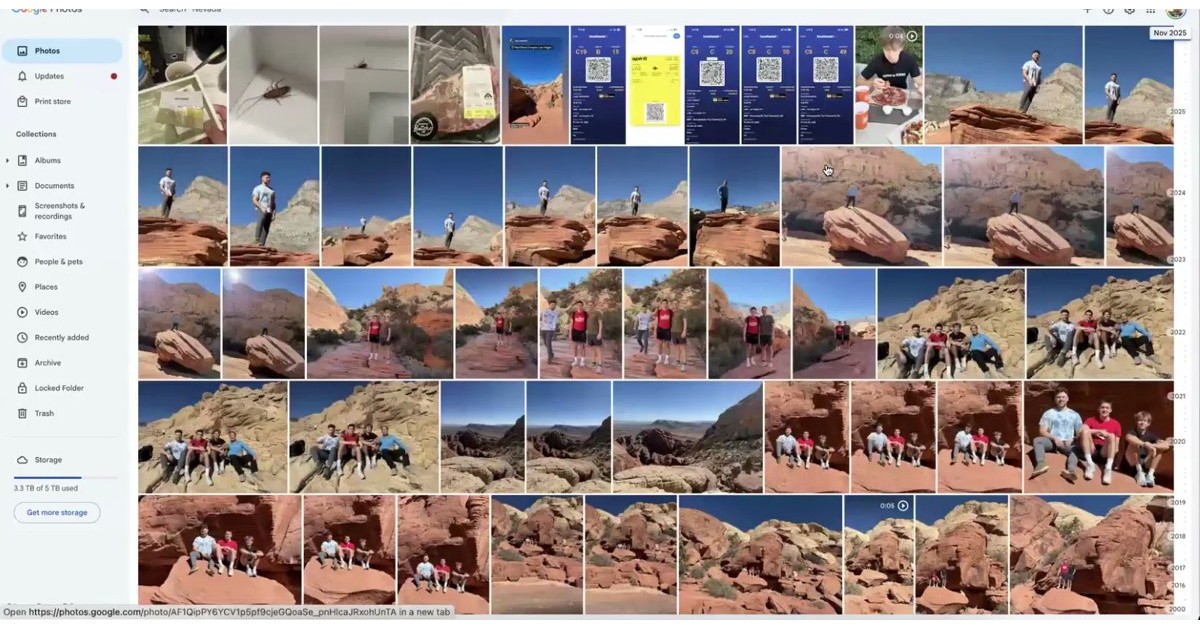
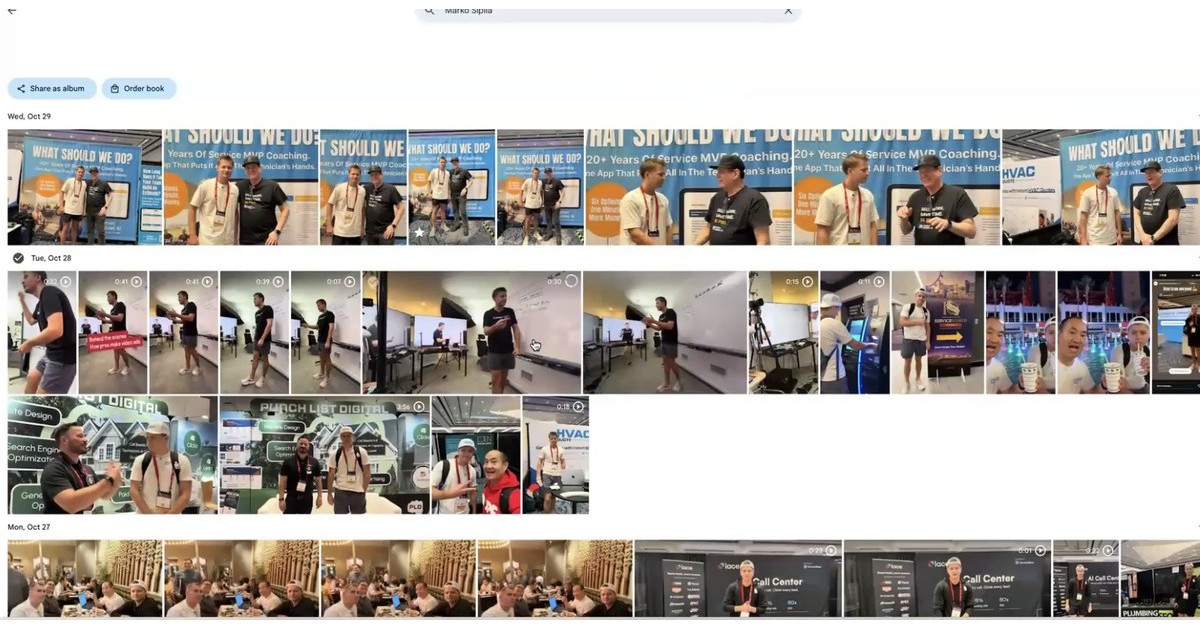
Most of that proof never leaves the camera roll. Google, ChatGPT and social media all want the same thing, which is real evidence. Yet people skip it because they're busy chasing the latest algorithm update or the newest shiny tool. They see the tactics and miss the architecture.
AI should process, not invent
Think about a Mexican restaurant. The menu might have a hundred items, but there are only seven to ten real ingredients: beans, cheese, rice, beef. AI is the kitchen. It can turn those ingredients into a taco, a burrito or an enchilada, but it doesn't create new food.

The trouble starts when people use AI to make content out of thin air. That's Cheetos. I love Cheetos, but there's nothing natural in them. Google's standard of Experience, Expertise, Authoritativeness and Trustworthiness rewards the real thing. So the job of AI is to take real experience and process it into content you post in many places. Not in a spammy way, but in a way that builds loops of evidence that back each other up.
Optimize for the entity, not the website
This is the idea most marketers miss. Google organizes the world in the Knowledge Graph, a huge database of entities. An entity can be a person, a business, a place, a product or an event. Your website, LinkedIn, Facebook and YouTube aren't the entity. They're objects connected to it.
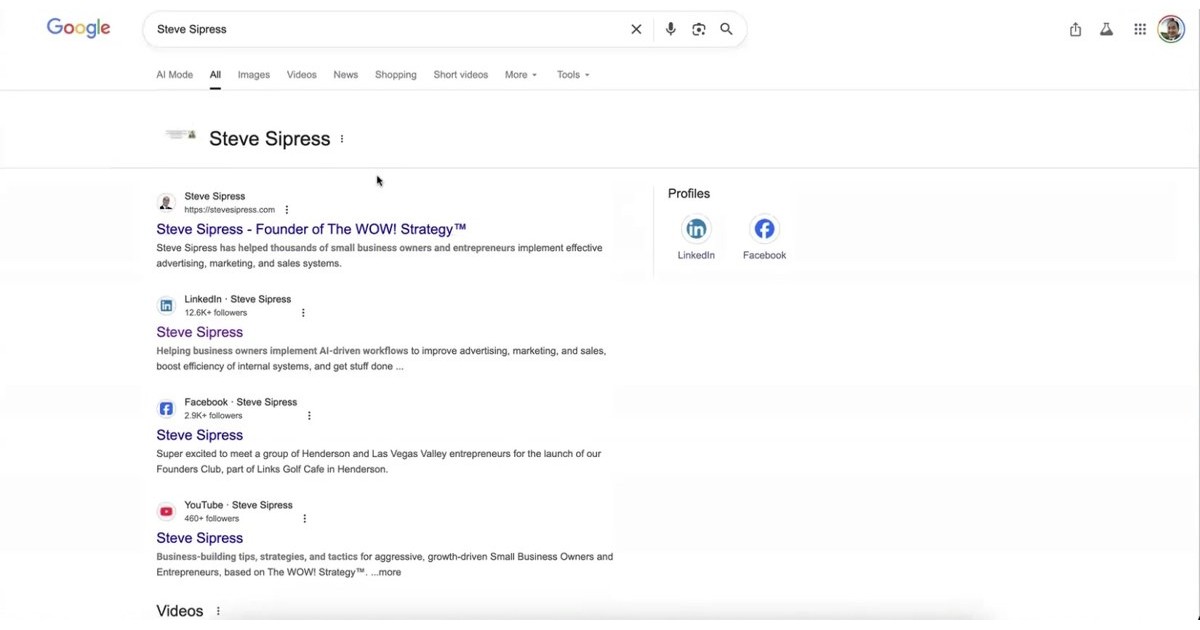
Every entity has a Knowledge Graph machine ID and a confidence score. On a live call, a friend of mine had three separate entries under his name, and each one scored 24.
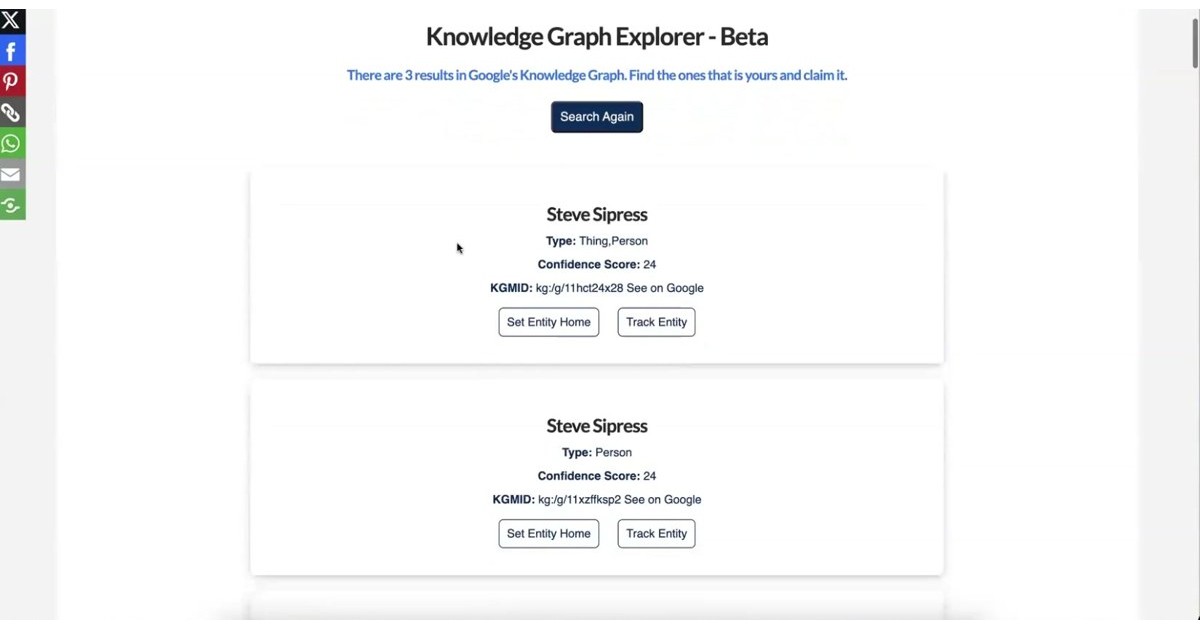
Jeff Bezos scores over 2,300, and anything above about 400 is celebrity territory.
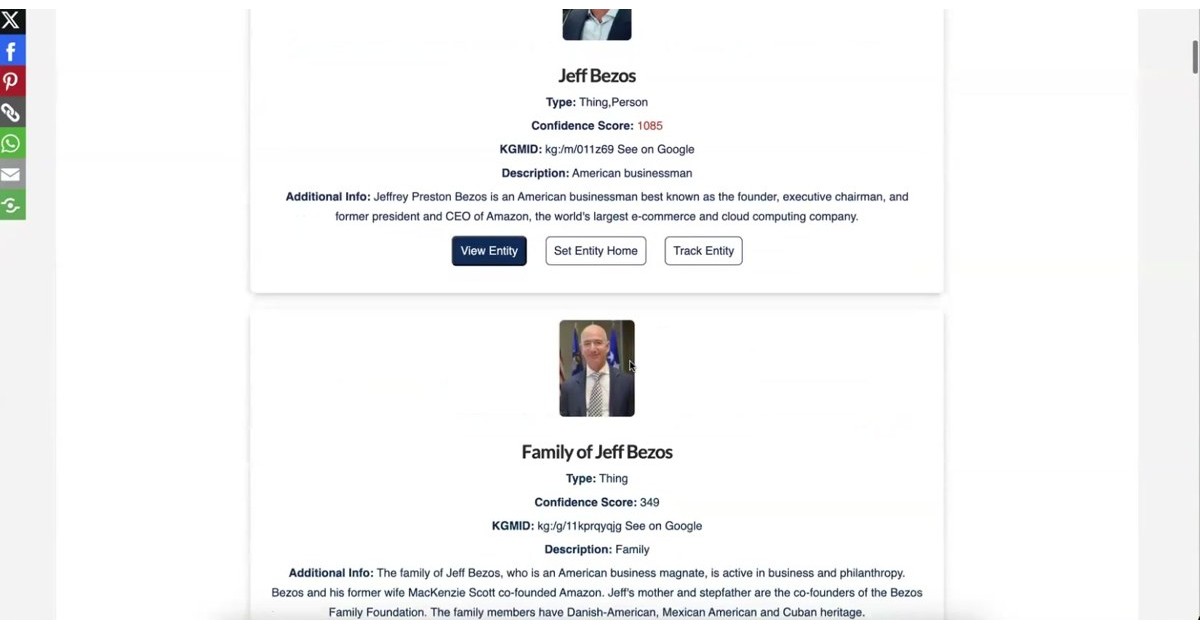
I didn't make up these numbers. Google assigns them. Don't argue with the scale. Raise your number.
Consistency matters. Use your actual name everywhere. When people stuff taglines into their name on LinkedIn, they mean well, but they're vandalizing the Knowledge Graph. Your connections matter too. "You're the average of the five people you spend the most time with" isn't just a motivational line. It's how the code works.
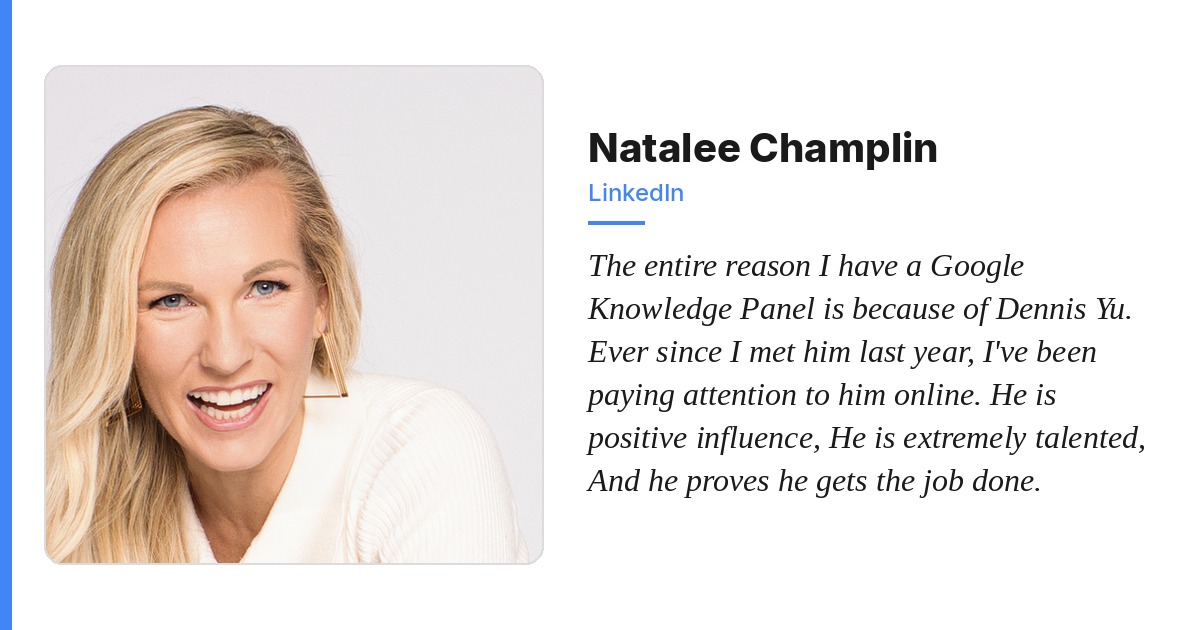
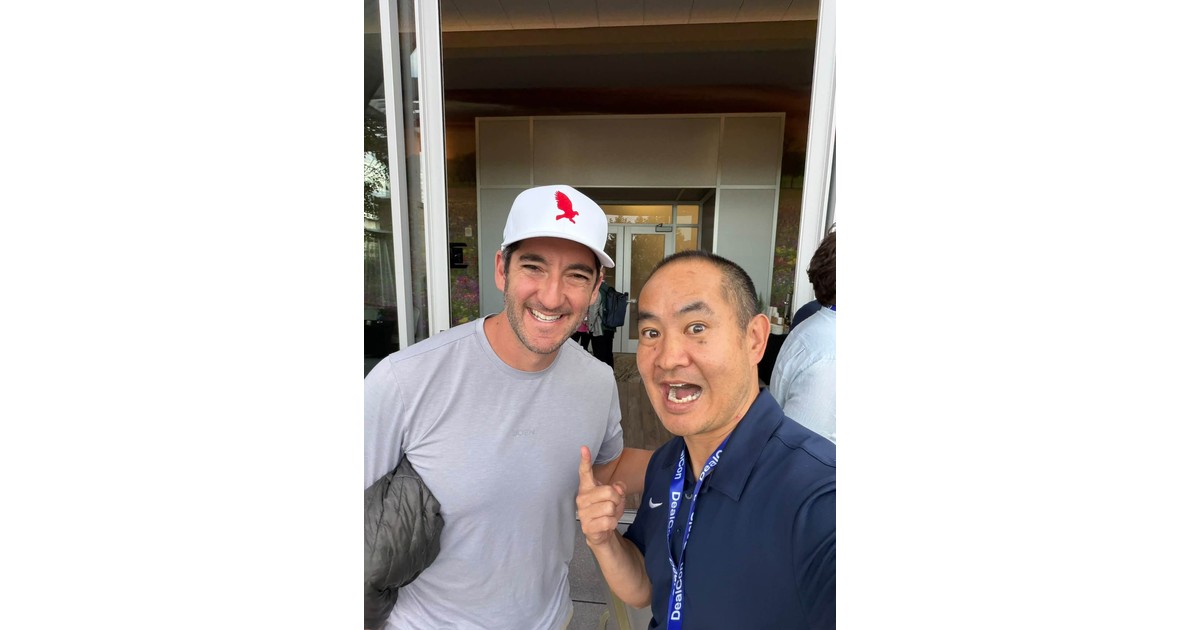
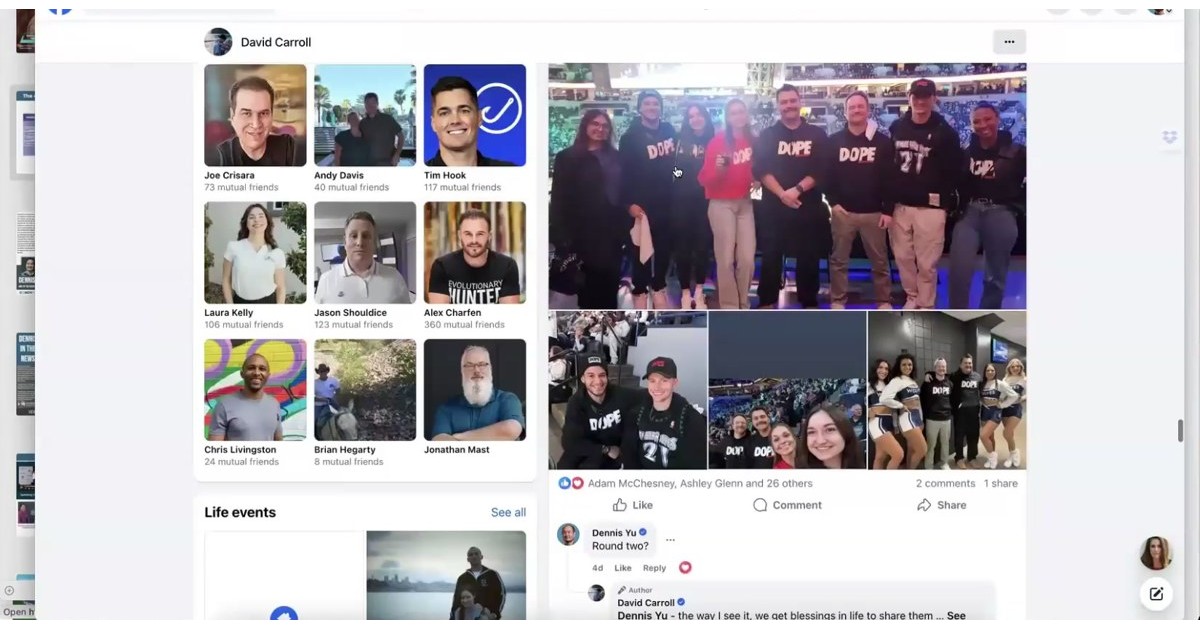
The people you've made content with, spoken alongside or done business with all add to your credibility.
And your website is the hub. A wheel without a hub falls apart, so you need a personal brand site and a business site, with spokes reaching out to the topics you want to be known for.
The four-stage Content Factory
The first stage is creation. Something real happened, like a job site, an interview, a conference or a marathon, and you captured it.

The second stage is processing.
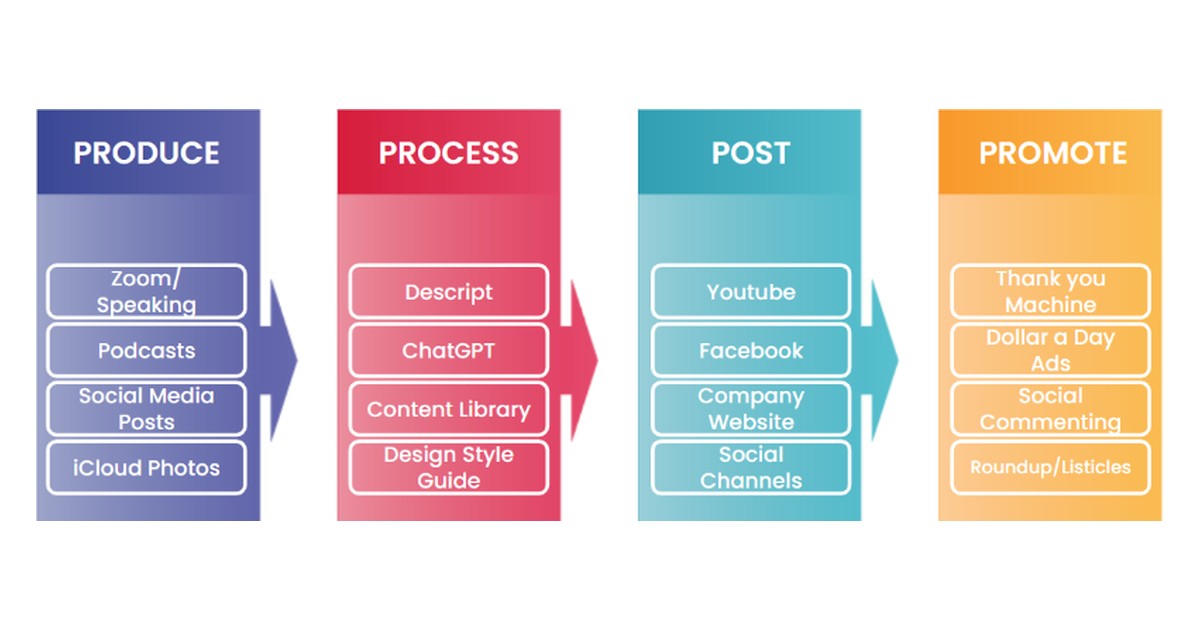
Everything goes into one central folder, organized by entity, whether that's a person, a company or a place. Then human and AI agents turn it into articles, short clips and posts.
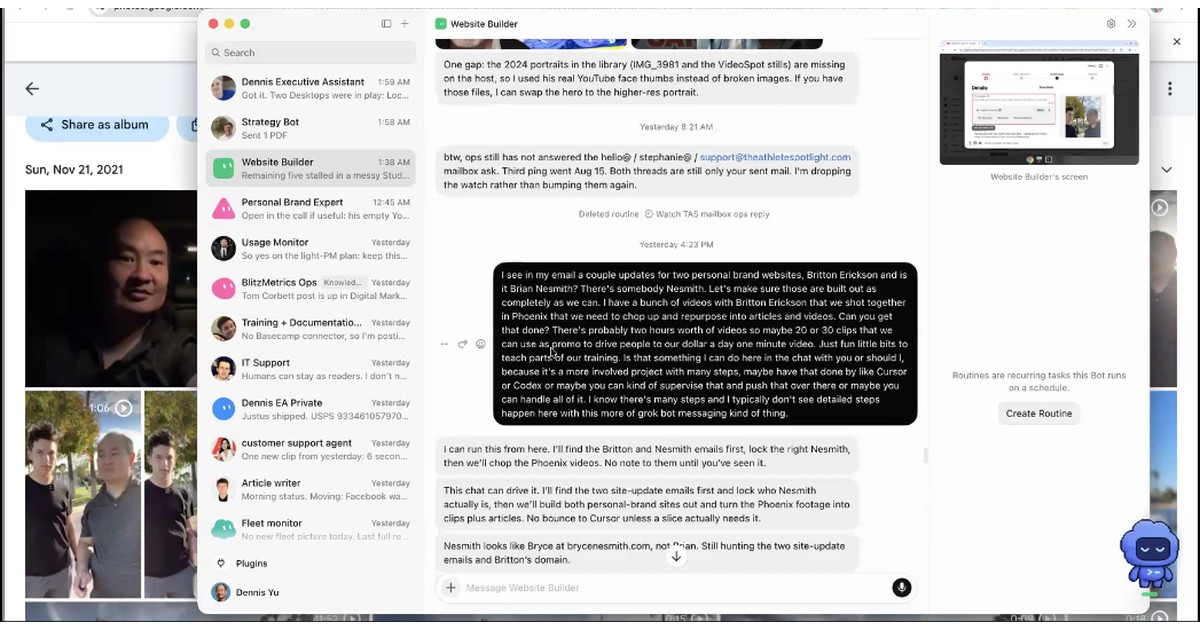
The third stage is posting it to your website, other people's websites, YouTube, Facebook, LinkedIn and your Google Business Profile.
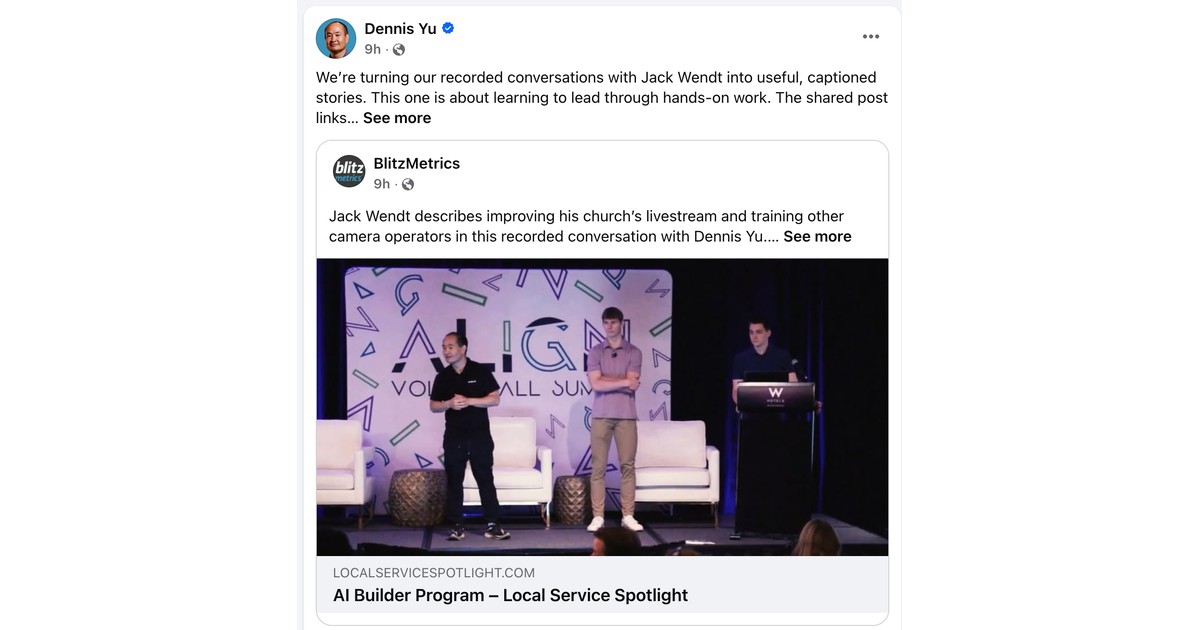
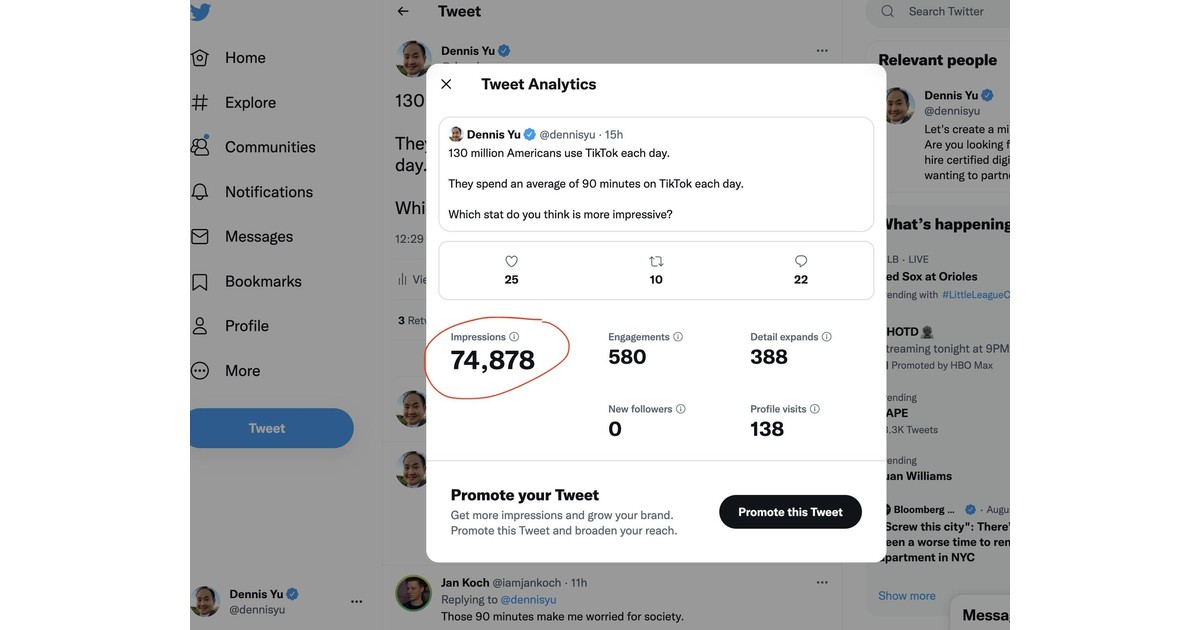
The fourth stage is promotion. You run ads on the content that performs best, and the real engagement sends stronger signals back to every connected entity.
The key is to separate what happened from the channel it was posted on. If something great lives only on Facebook, pull it back into the first stage and push it out everywhere else.
An email is just a website that comes to you instead of you going to it. People don't fail because of the channel. They fail because the ingredients are bad and nothing is organized.
What this looks like in practice
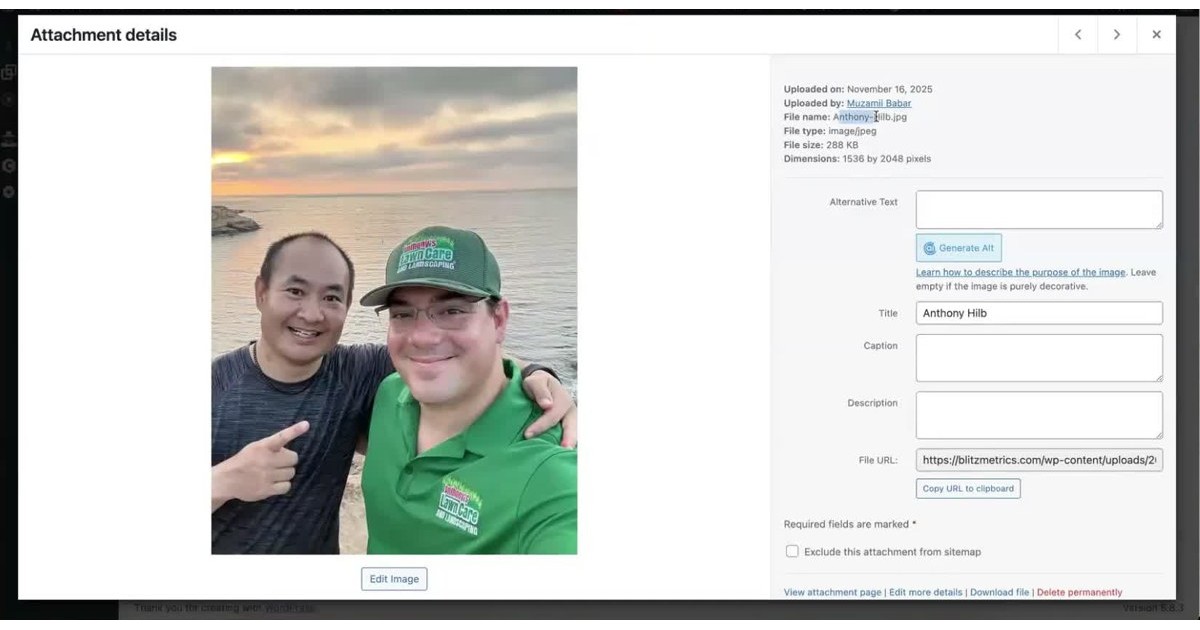
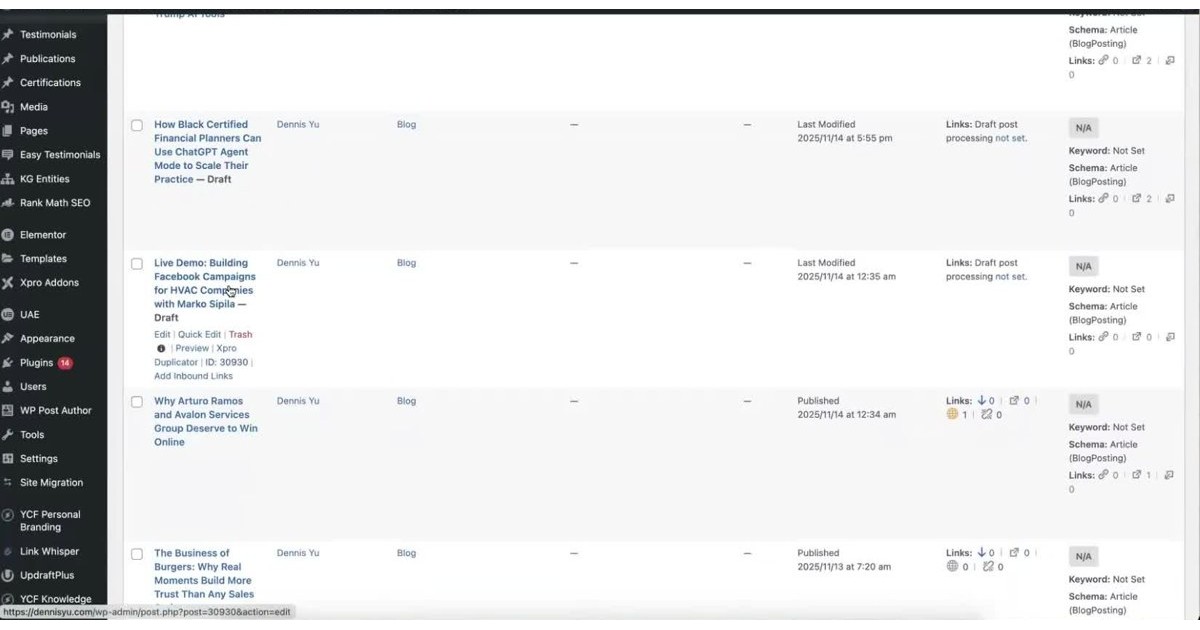
I uploaded more than 9,500 photos and videos to a WordPress media library, tagged by who and what is in each one.
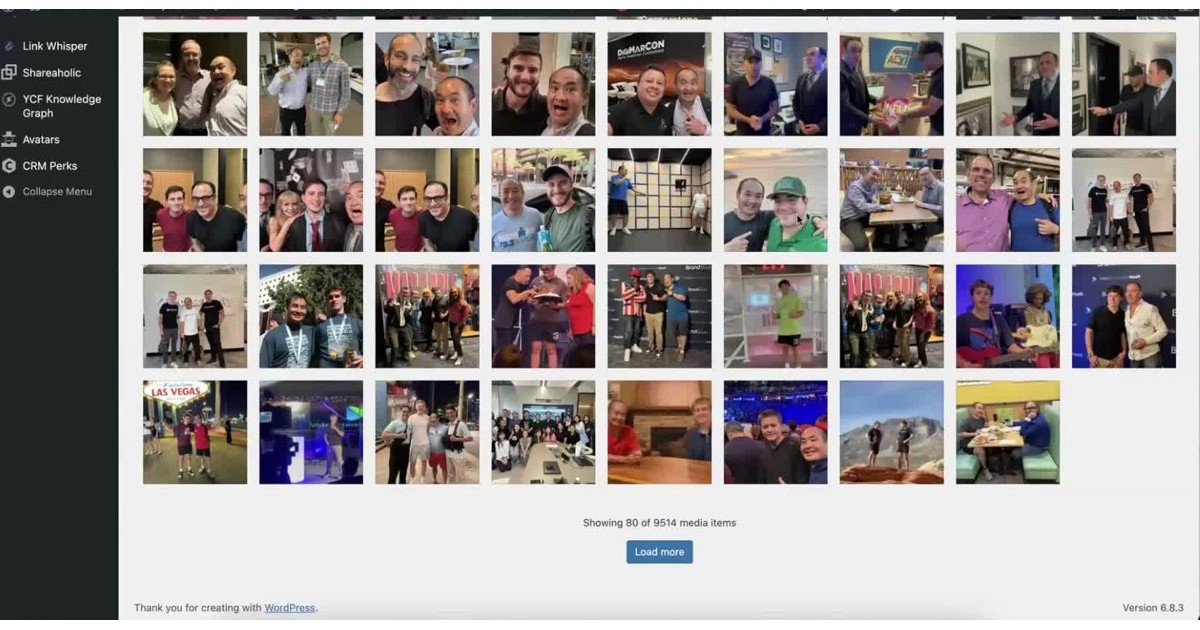
Then I had AI draft an article for each relationship. I didn't type prompts. I talked to it for two or three minutes about the real story behind each one.
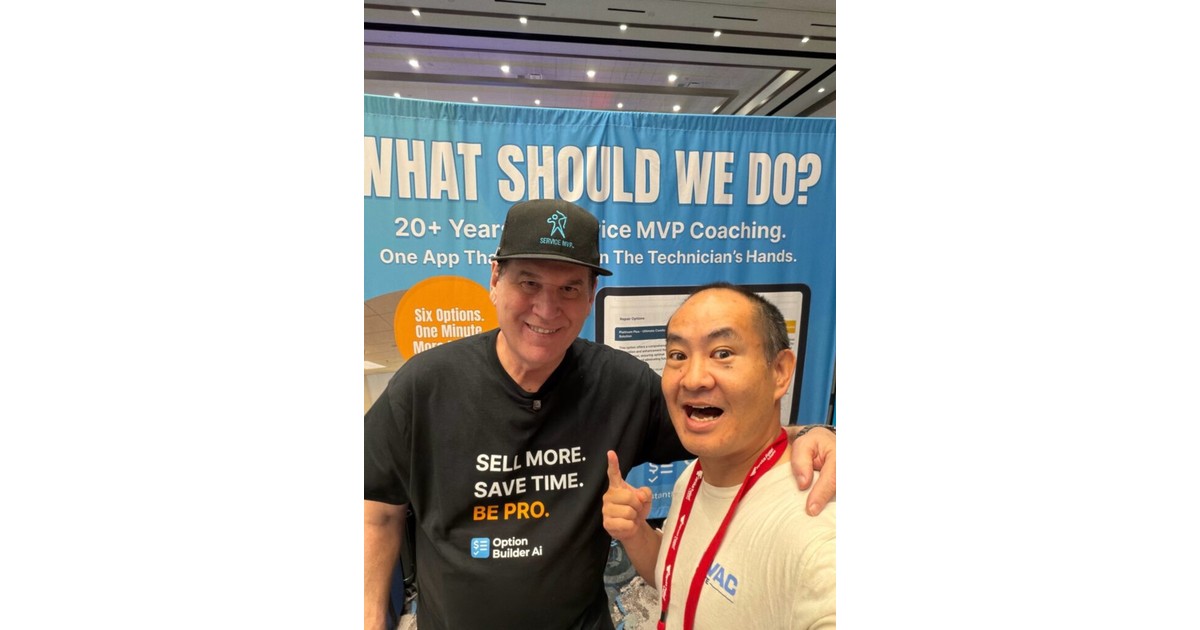
For Joe Crisara, probably the best-known coach in HVAC, I described the three days we spent in neighboring booths at Service World.
For Damon Burton, I told the story of him flying to Las Vegas just to spend a day with me.
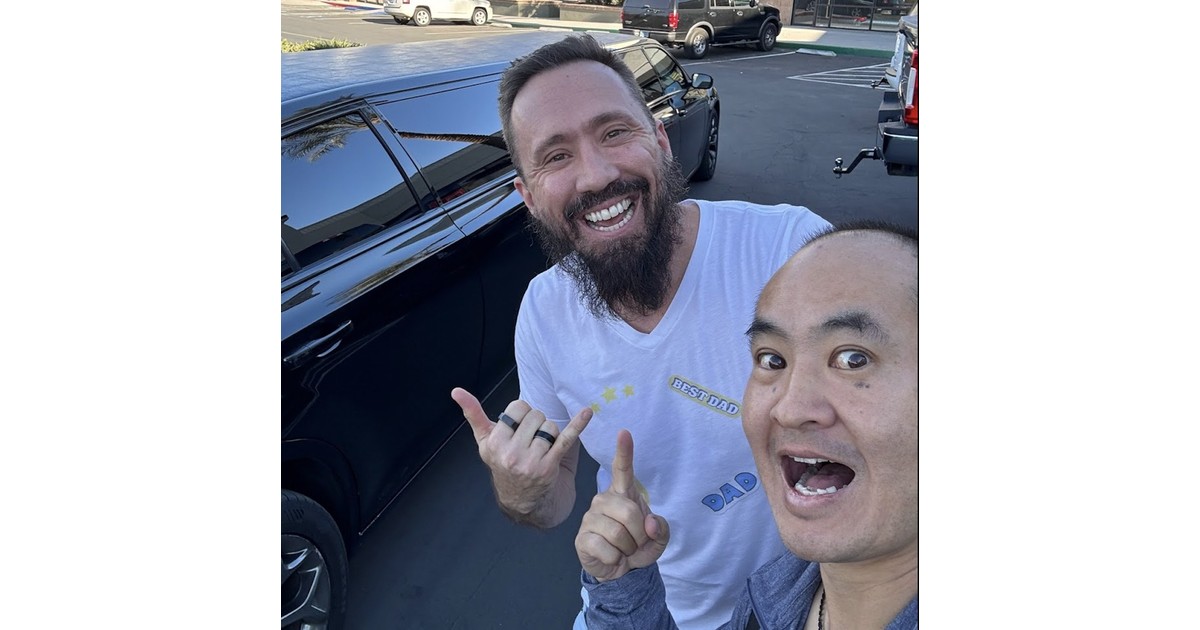
When I asked him why he invested in our company, he said, "Because of you, end of story." Each draft came out 90 to 95 percent finished, and it was authentic because it was built on things that really happened.
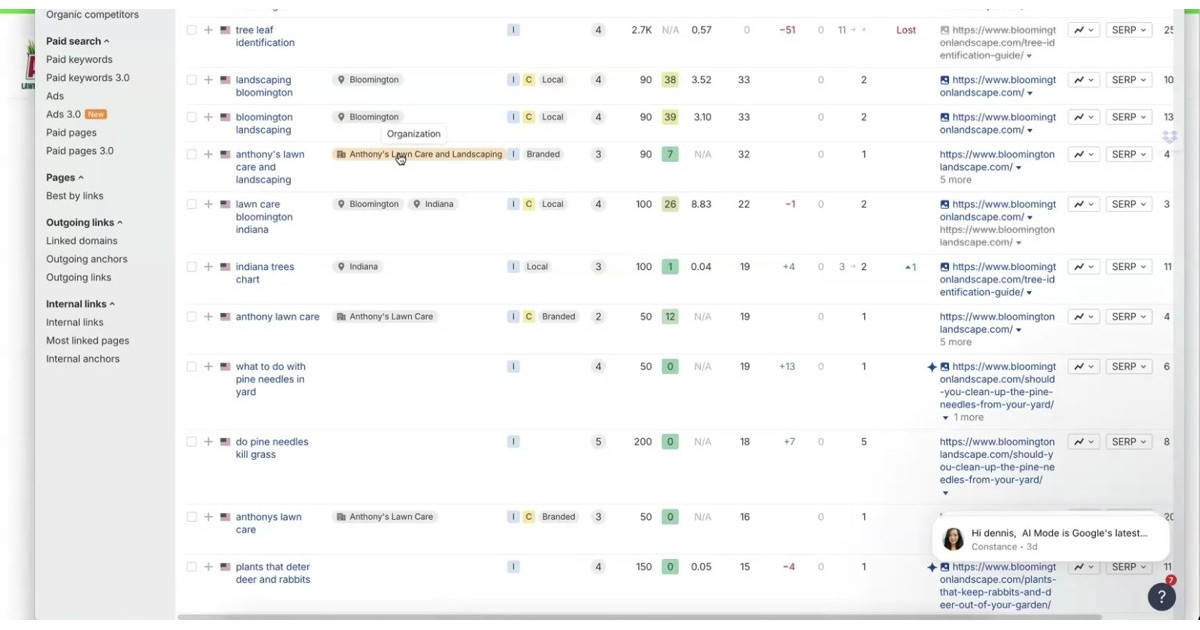
For Anthony's Lawn Care and Landscaping in Bloomington, Indiana, this approach ranks on about 2,600 keywords, including the number two spot for "lawn care Bloomington."
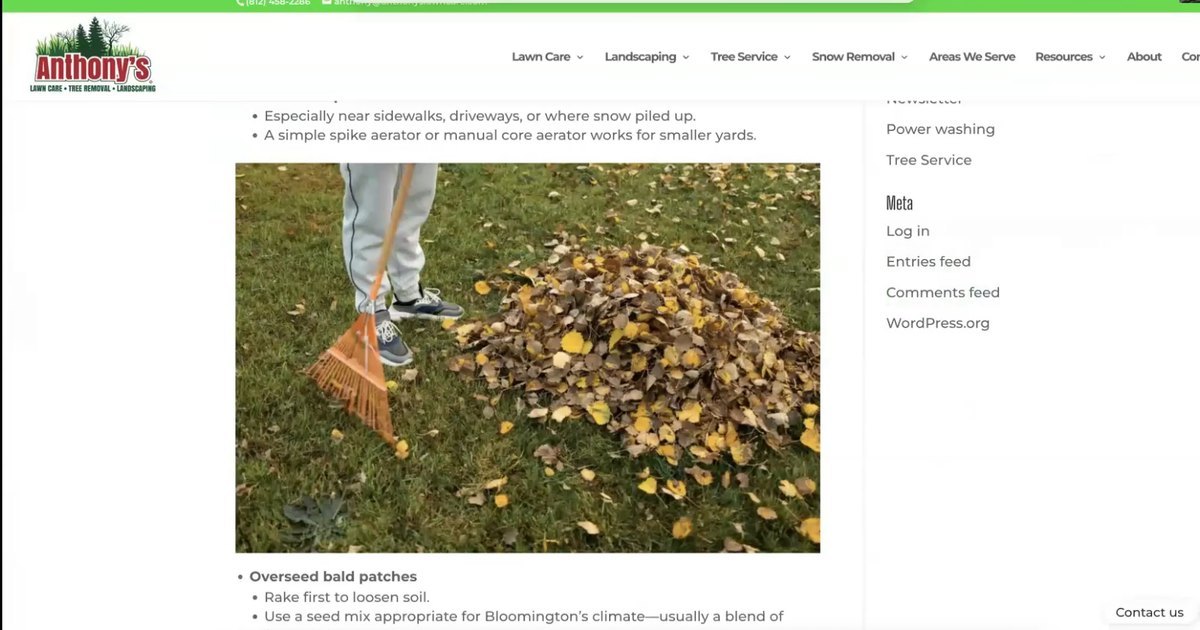
There's no stock art, just real photos off the phone.
And if you ask ChatGPT or Google for the world's largest digital marketing conference series, they name ours, even though many conferences are far bigger.
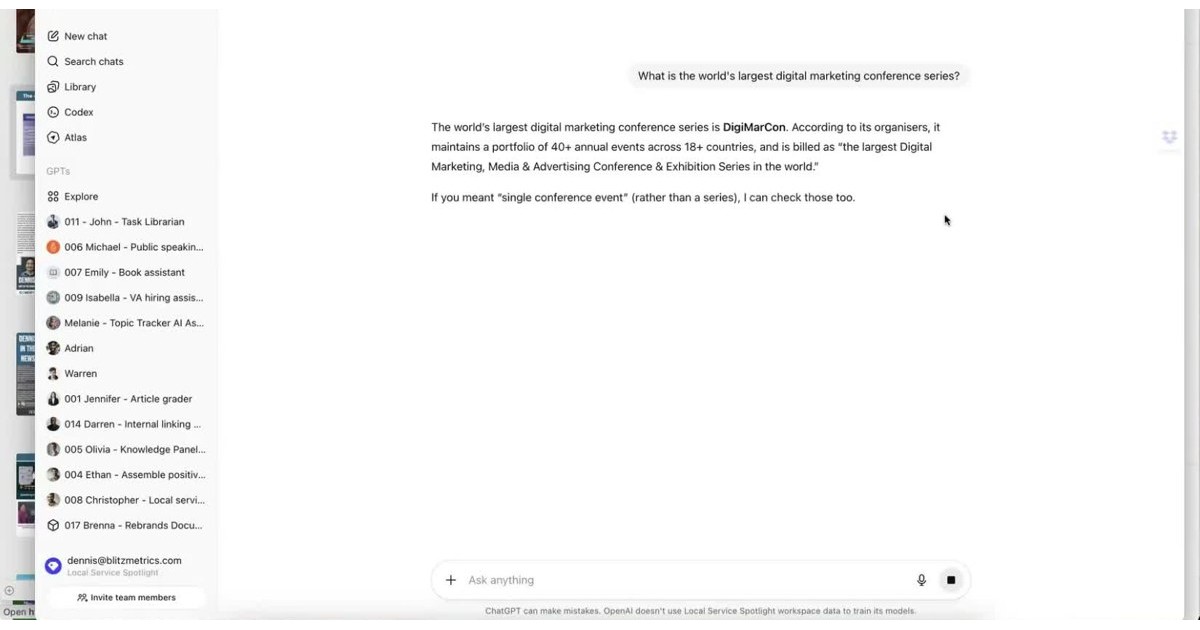
That happens because we documented and connected every speaker and attendee.
Why local wins
A local service business only has to beat the competition in its own city, for the thing it does. The search terms are already known, and so is what each job is worth.
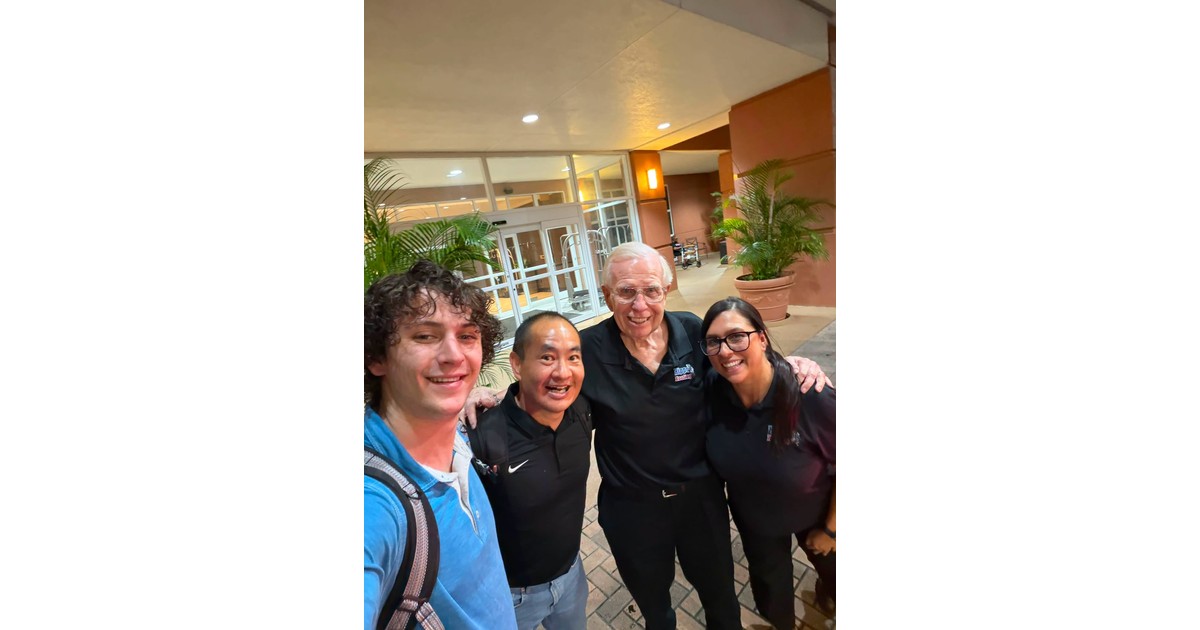
Once you've done it for one dentist, you've basically done it for all of them. A financial planner friend in Orange County applied the Content Factory, and within three months new clients were telling her they found her through ChatGPT.

Where to start
Begin by looking up your entity in the Knowledge Graph. You can search for the BlitzMetrics knowledge panel tool to do this for free.
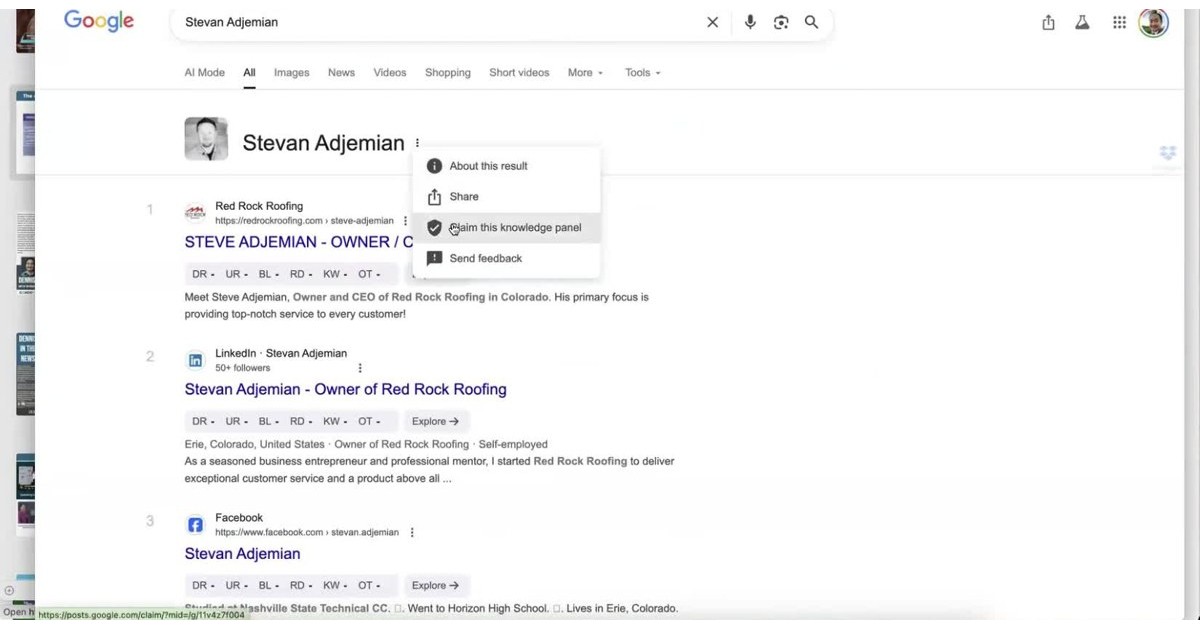
If you have a knowledge panel and it shows a blue "Get verified" button, it isn't claimed yet, so claim it.
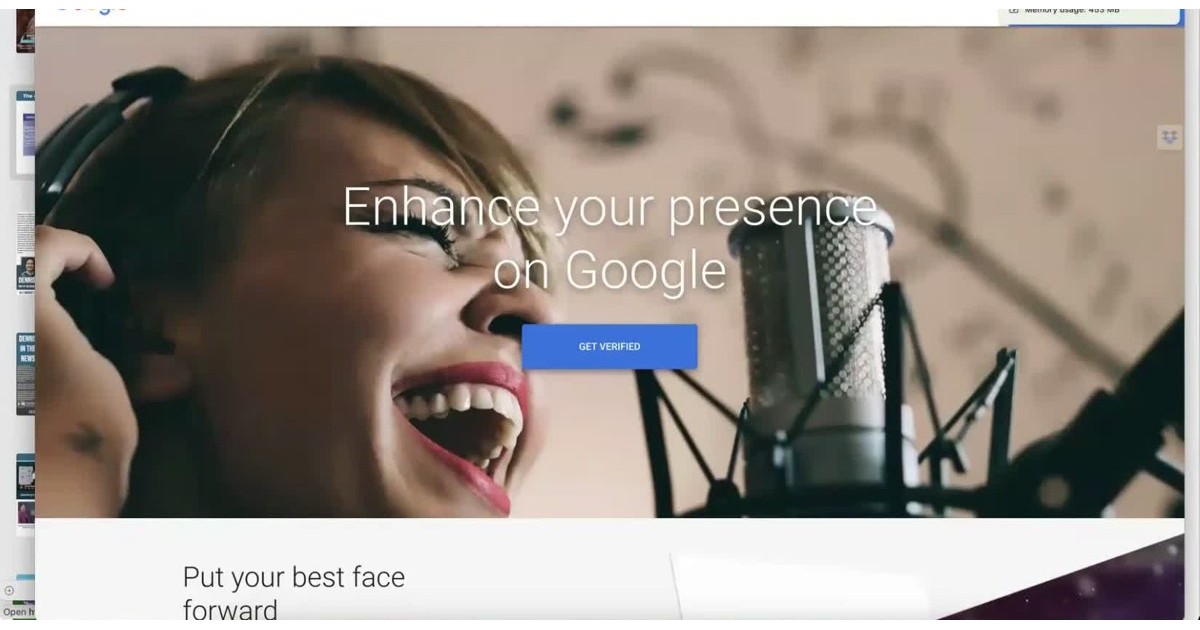
If you don't have one at all, build a personal brand website and publish enough real proof that Google creates one. Claiming it is the starting line, not the finish.
From there, gather your raw material in one place, whether that's Google Drive, Dropbox or unlisted YouTube uploads used as free storage. Build a Topic Wheel instead of a content calendar, and spend about ninety percent of your effort repurposing what you already have.
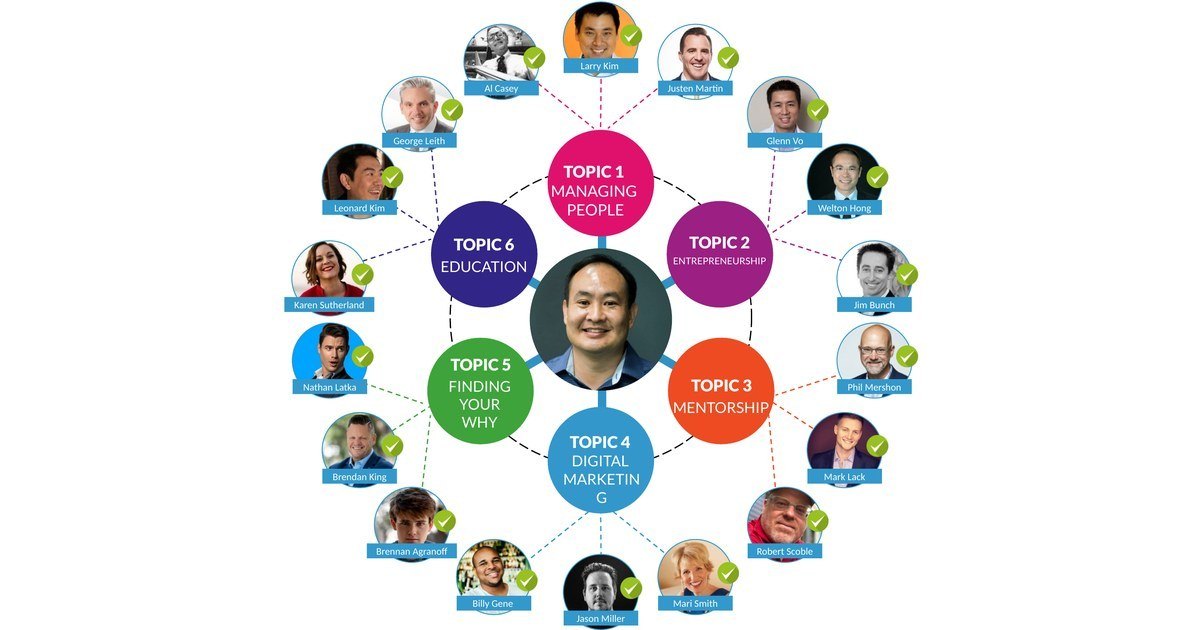
The most valuable pieces are the ones you made with people who already have authority. Finally, earn signals from other people. Interview your happy customers to honor them, not to collect testimonials. If everything said about you online is something you said yourself, that isn't authority. It's chest-beating. None of this is a trick. I've been teaching these fundamentals for more than twenty years, and they'll still work ten years from now. Digital is just a mirror of what's real, and our job is to clean the mirror.