
When you come on board with us, our operations team creates a Google Drive folder for you and sends you the link.
This folder is the engine behind your entire marketing.
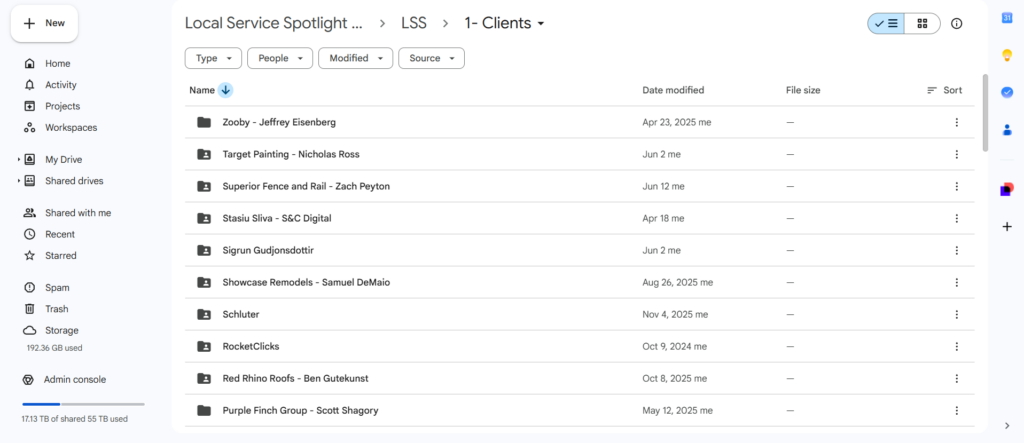
Your Drive folder is one of the raw inputs into your knowledge base, the structured system our team and AI agents reference for every task we do for you. Along with your website, social accounts, and video transcripts, the content you upload gets compiled into a structured profile of your business: your voice, your topics, your entity connections, and your project history. The more you feed the folder, the smarter every piece of content we create becomes
Every social media post, every blog article, every YouTube video, every Google Business Profile update, every ad we run for you starts with what you put in this folder.
Think of it like a kitchen. We’re the chefs. AI tools are the equipment. But you provide the ingredients. Without fresh, real ingredients from your business, we’re cooking with nothing.
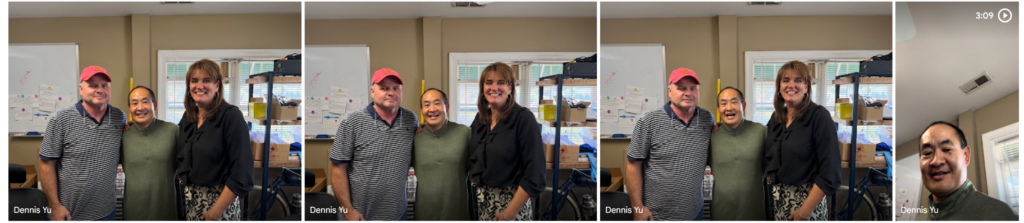
The raw ingredients of real experience show through like a steak seasoned with salt and pepper, instead of a fake meat AI burger.
Why this folder matters more than you think
To understand why, you need to understand how Google actually works.
Google maintains a massive database called the Knowledge Graph. It’s a database of entities. Nouns. Things. Objects.
You are an entity. Your company is an entity. Your city is an entity. Your industry is an entity.
Google is constantly trying to understand how these entities connect.
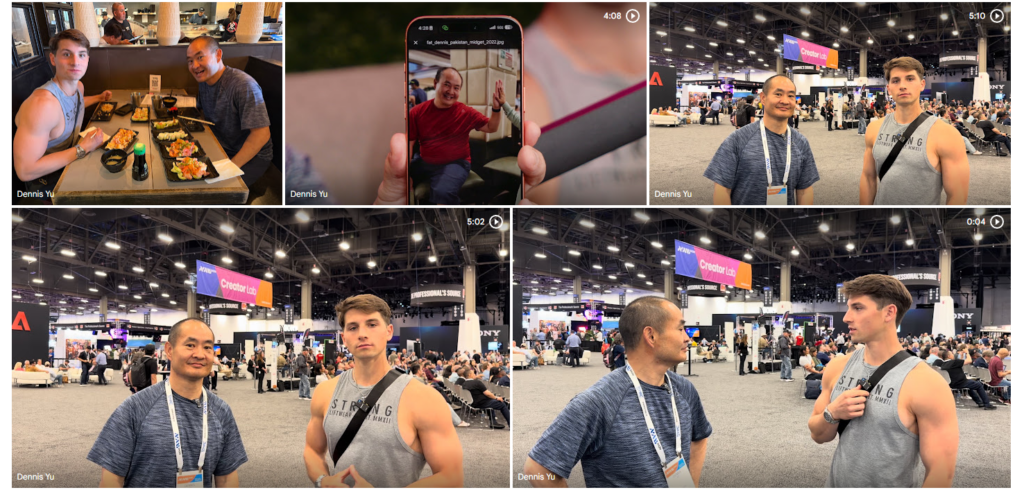
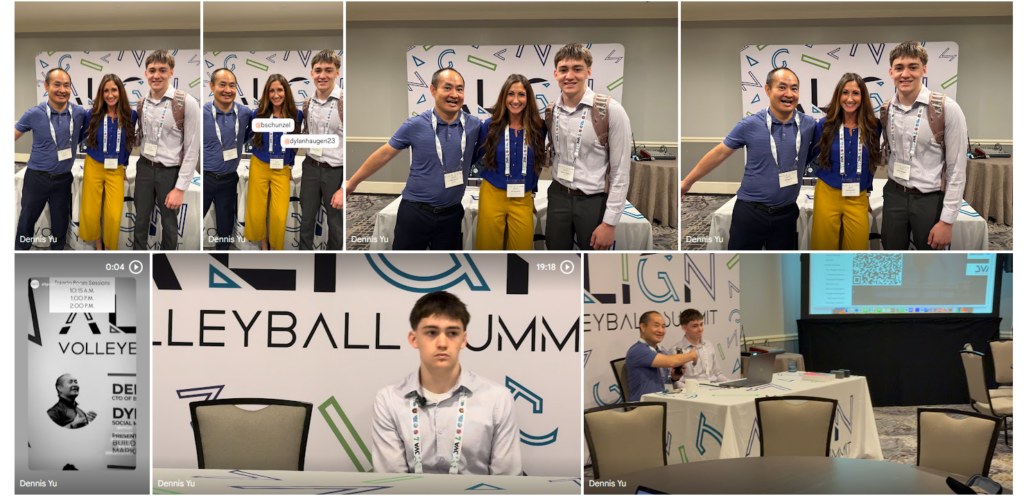
When you take a photo with another roofer at a conference, that’s a connection. When a customer leaves a review, that’s a connection. When your technician posts a job site video from Buckhead, that’s a connection to both roofing and Atlanta.
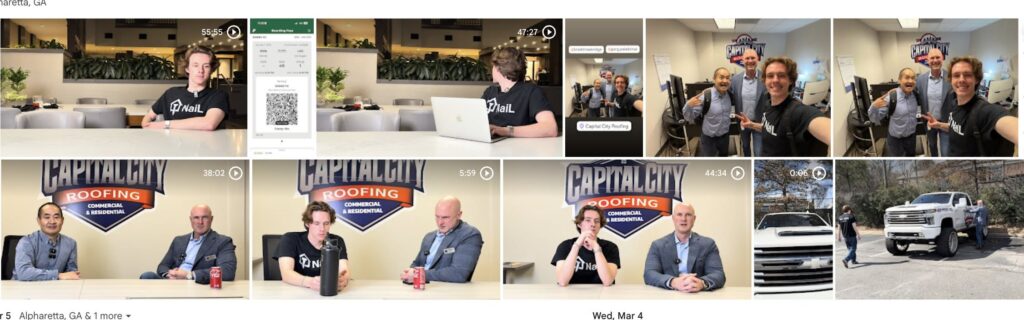
Every piece of content you upload to your folder creates or strengthens one of these connections.
A video of your crew replacing a roof in Plainfield, Wisconsin doesn’t just show your work. It tells Google, “This company actually does roofing in this specific area.”
That’s a signal a spammer in another country can’t fake.
The geo-vertical grid
If you’re an Atlanta roofer, Google expects to see two kinds of signals.
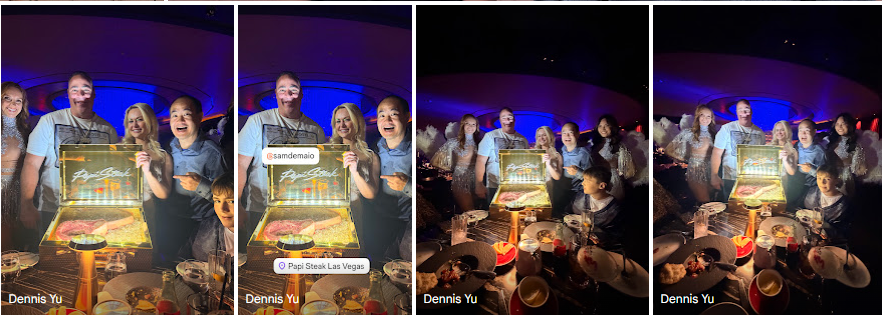
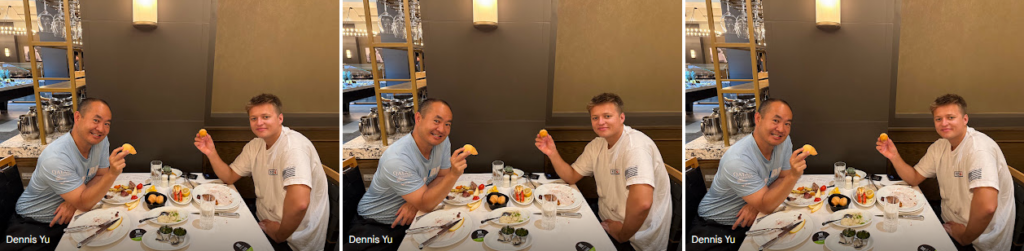
First, geo signals. Connections to Atlanta, Buckhead, Dalton, and the surrounding neighborhoods. Your favorite restaurant. Your Little League sponsorship. Your relationships with other Atlanta businesses.
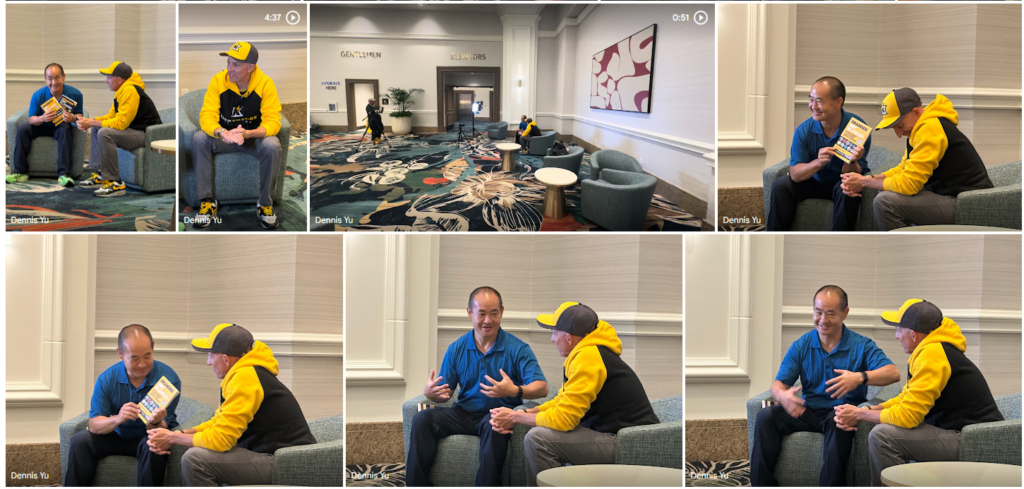
Second, vertical signals. Connections to roofing. Other roofers you know. Roofing conferences you attend. Roofing supply companies you work with. Industry knowledge you share.
These two directions form a cross. Your geo-vertical grid.
The more real content you have showing connections along both axes, the more Google trusts that you are who you say you are, doing what you say you do, where you say you do it.
This is why we can’t just hire someone in another country to “do your SEO.” They don’t know your industry. They don’t know your neighborhoods. They can’t generate the authentic signals that come from you and your team actually doing the work.
But you can.
Every time you upload a job site photo, a customer interaction, or a quick video answering a common question, you’re feeding the geo-vertical grid with signals that no SEO trickery can replicate.
Google’s EEAT and why AI content won’t cut it
Google’s quality guidelines are built around four letters. EEAT. Experience, Expertise, Authority, and Trust.
Google added that first E for Experience specifically because they anticipated people would abuse AI to mass-generate content out of thin air.
Your content folder is how you demonstrate Experience. Not by telling Google you’re experienced, but by showing it.
Real photos. Real videos. Real customers. Real job sites. Real relationships in your city and your industry.
When people are deciding who they want to fix their roof or repair their air conditioning, they look at little snippets like these. Combined with your reviews and the pictures your technicians take, this content shows potential clients what it’s really like doing business with you.
We didn’t ‘do SEO’ to make this happen. We just documented what we were already doing. Raw photos and videos from real work, posted consistently.
What to upload
We need a high volume of content across everything you do. The goal is to document your day to day, not create polished pieces.
Don’t create content. Document what you’re already doing.
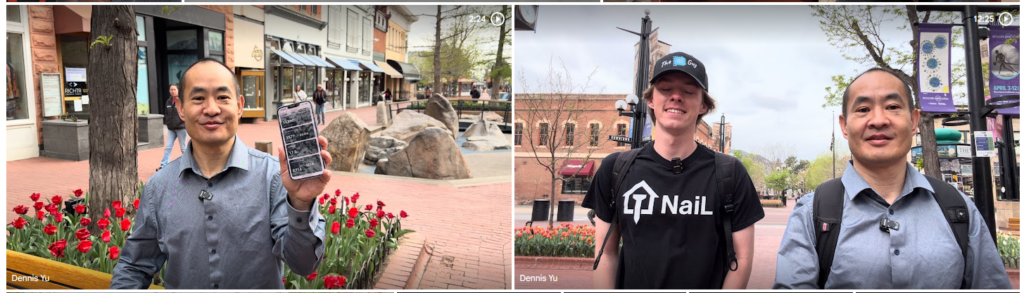
Job site photos and videos. Before, during, and after shots from every project. Cell phone quality is perfect. A quick walkthrough of a complex roof. Your crew loading the truck. The finished product.
Short videos answering common customer questions. Search your main keyword plus your city name, like ’emergency plumber Houston Texas.’ Look at the ‘People Also Ask’ questions Google shows. Answer those on camera in 60 seconds. Don’t worry about a script. Don’t worry about perfect hair. Don’t worry about trying to say exactly the right things. Just grab your phone and talk.
Behind the scenes. Morning team meetings. Training a new technician. Warehouse walk-throughs. Anything that shows how you actually operate.
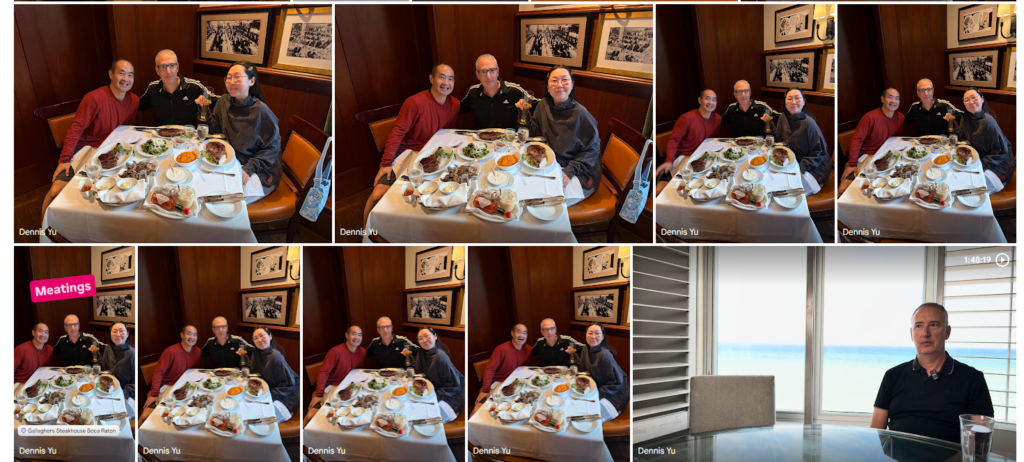
Customer interactions. A happy homeowner next to their new roof. A walkthrough with a client. A thank-you moment. Get permission, then capture it. These are some of the most powerful signals you can create.
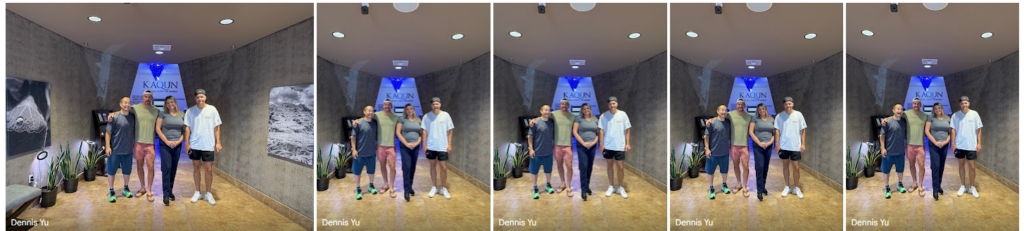
Your relationships in town. Photos at your favorite local restaurant. Supporting a local event. Connecting with other businesses in your area, your HVAC guy, your real estate friend, your electrician. These geo signals show Google you’re genuinely embedded in your community.
Industry connections. Photos from trade conferences. Zoom calls with other contractors. Mentorship moments. These vertical signals show Google you’re connected to and respected by others in your field.
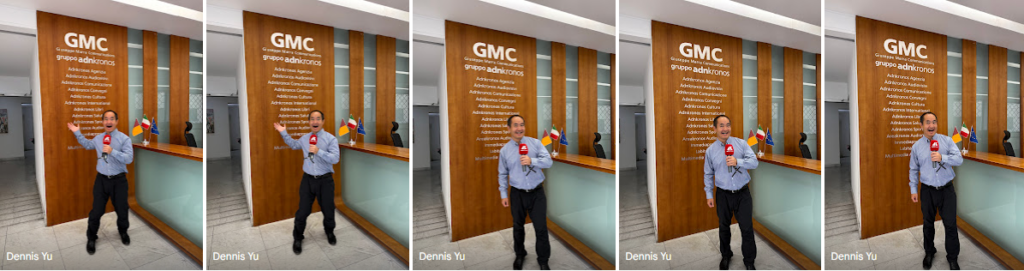
Lifestyle and personal content. Travel, family moments, community events. This humanizes you so you don’t come across as robotic or overly corporate. People hire people they trust.
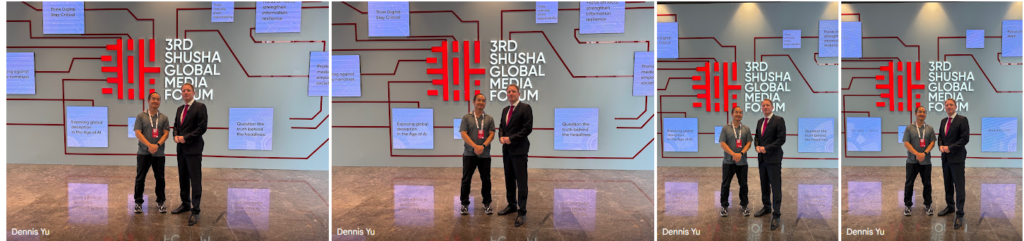
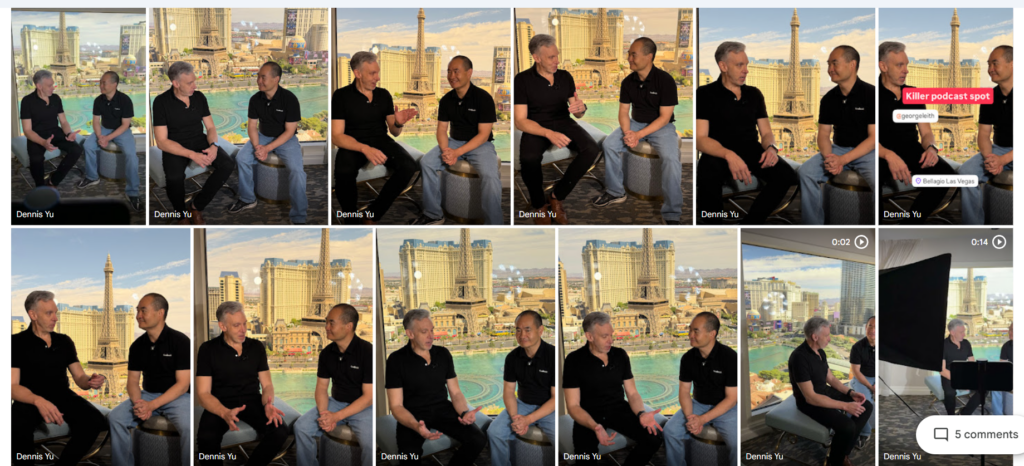
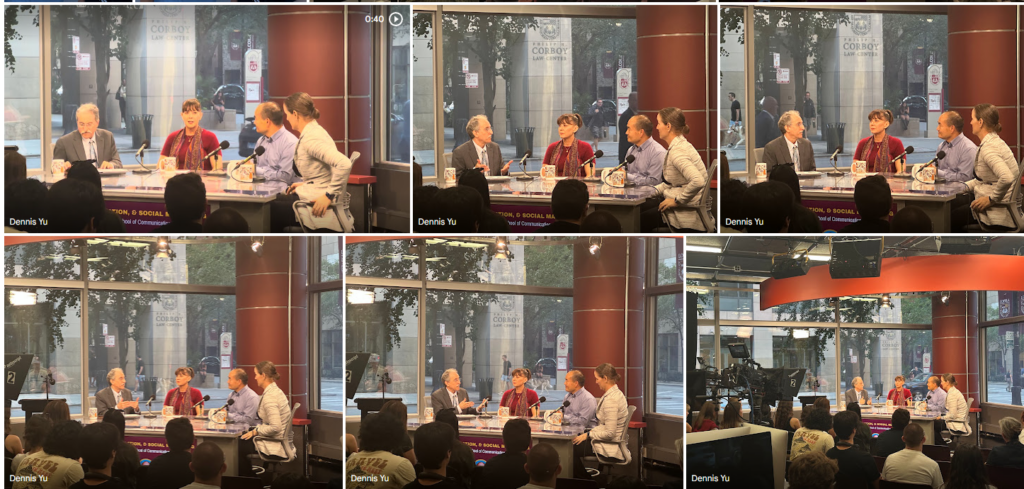
Long-form content. Podcast appearances, interviews, Zoom calls, webinar recordings. We break these into clips and articles.
What not to upload
Nothing old from way in the past. Keep it current and recent.
No AI-generated images or stock photos. Google can tell, and so can your customers. When there’s more and more AI content flooding the internet, it’s more important than ever to have real experiences and real relationships. Not stuff that some VA in another country is generating on “10 tips on how to fix an emergency whatever.” That’s not what we’re looking for.
No polished commercials. We’re not making TV ads. We’re capturing authentic moments that build trust.
How to name your files
Use this format. ServiceType plus City plus State.
Roofing – Madison WI
Siding – Green Bay WI
Windows – Appleton WI
This helps us quickly identify the project type and location. Critical for organizing your content along the geo-vertical grid.
What happens after you upload
Our team runs everything through our Content Factory process.
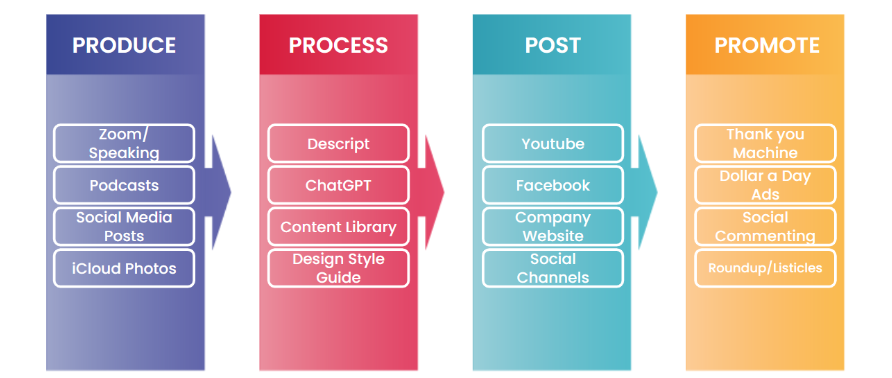
Videos get transcribed and turned into blog posts and articles. Key moments become social media snippets across all your channels. Photos go to your Google Business Profile, website, and social channels. Content gets repurposed into guest articles on partner sites, building legitimate connections with other businesses in your industry and your area. Top-performing content gets boosted with Dollar a Day ads.
All your entity objects, your Facebook, YouTube, website, Google Business Profile, all get fed with consistent, corroborating content that reinforces who you are.
You don’t need to post anything yourself. You don’t need to write articles. You don’t need to manage social media.
You just need to keep that folder fed with real content from your business.
Everything you upload also feeds your knowledge base. That is the compiled source of truth our team and AI agents work from, including your voice profile, Topic Wheel, goals, and project context. Unlike a raw Drive folder, the compiled base stays current because it is updated at the end of every work session. That is what makes the system compound over time instead of starting from scratch each week.
Digital marketing is a mirror
It reflects what’s already true about your business.
If you do great work, have happy customers, and are embedded in your community, we can amplify that. Like going from a 50-watt amplifier to a 200-watt amplifier when you’re a good singer.
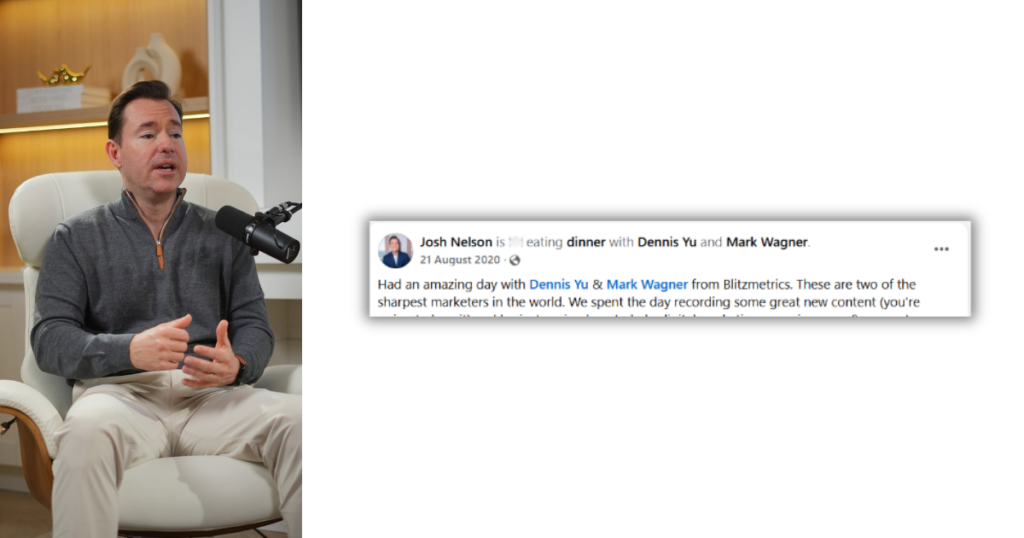
If you suck at singing and you’re off key like me, going from a 50-watt to a 200-watt amplifier is just going to annoy more people.
We need the raw material. No chef can cook without ingredients, no matter how good the kitchen is.
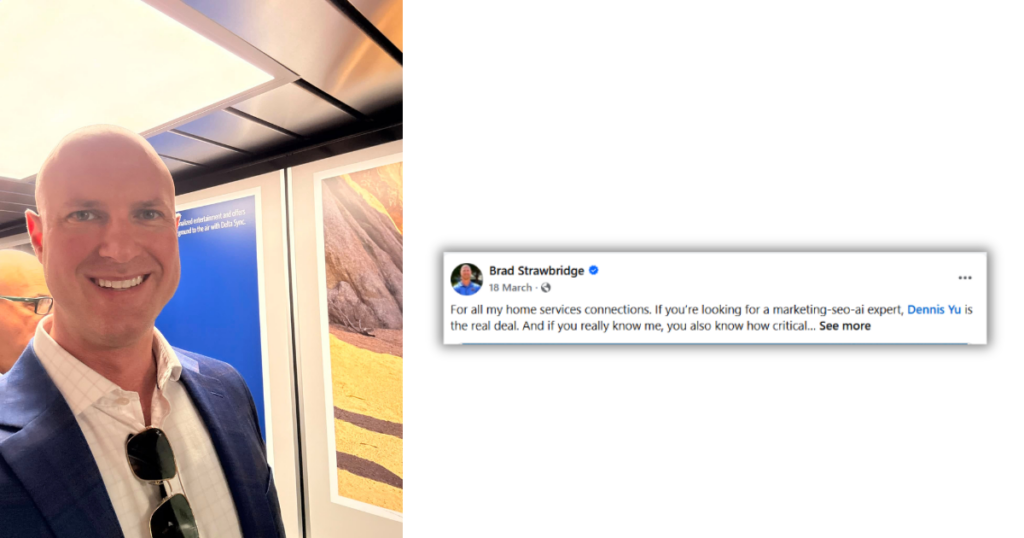
The content you upload, job site videos, customer moments, industry connections, local relationships, these are signals that a spammer can’t duplicate. They’re signals that AI can’t generate out of thin air. They’re the proof that you are a real business, doing real work, in a real city.
So here’s what our team needs from you
Volume and organization. Capture as much as possible. Name your files clearly. Keep the folder clean. We handle everything else.
In addition to what you upload on your own, our team also comes on-site to film with you. Usually a half-day visit where one of our young adults follows you around capturing day-in-the-life content. Between those visits, your folder is how you keep the pipeline full.
The more real content you give us, the stronger your entity becomes in the Knowledge Graph, the more trust you build along your geo-vertical grid, and the more Google, ChatGPT, and every other platform will recommend you over your competitors.
Now go fill that folder. Your account manager is here if you have questions about what to capture or how to name things. The more real content you give us, the stronger your knowledge base becomes, and the stronger your knowledge base, the better everything we produce for you.
Originally published .