
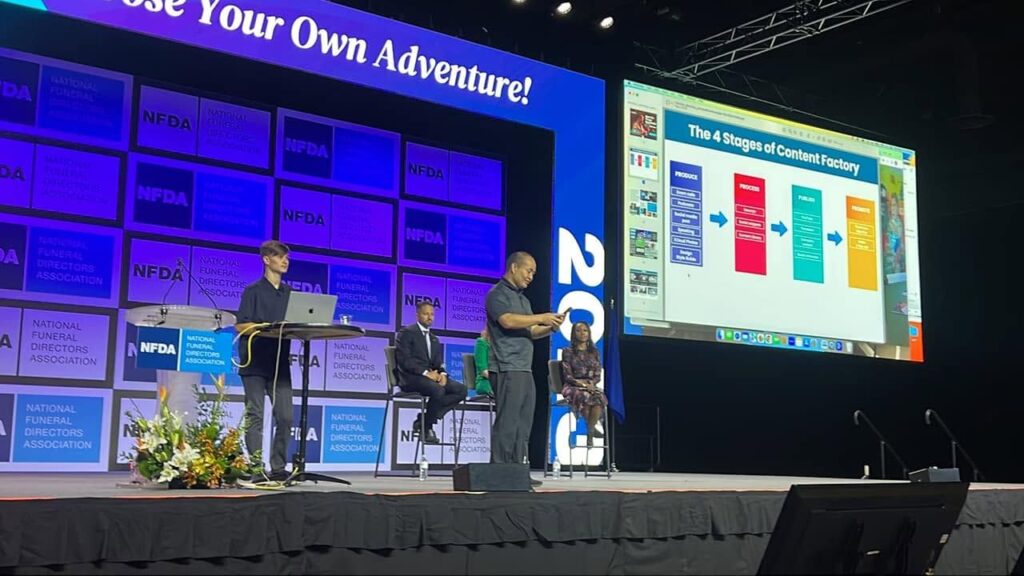
How We Use Cursor for Marketing
Cursor is the desk. Git is the notebook. Skills and public articles are how other agents copy the work. Here is the Local Service Spotlight setup, including Run Everything.
Cursor is the desk. Git is the notebook. Skills and public articles are how other agents copy the work. Here is the Local Service Spotlight setup, including Run Everything.
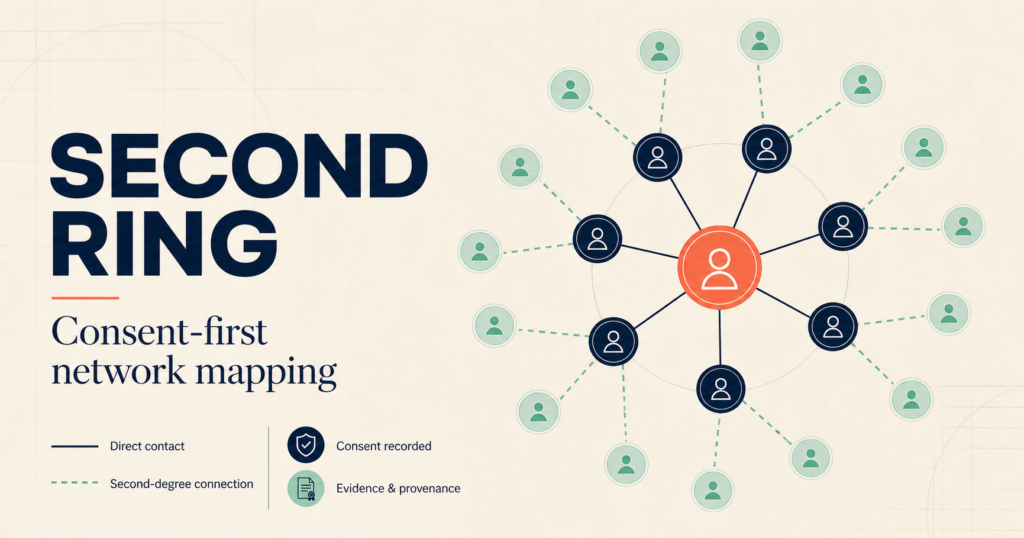
We open-sourced Second Ring’s local audit skill while keeping private data, consent, introductions, and Spotlight distribution permissioned.
The master SOP for the Maps Visibility System: how we baseline, run, and measure a Google Maps trial for local service businesses, step by step.
The GA4 reporting method is a fixed, written-down discipline. It turns a small business’s Google Analytics into a report an
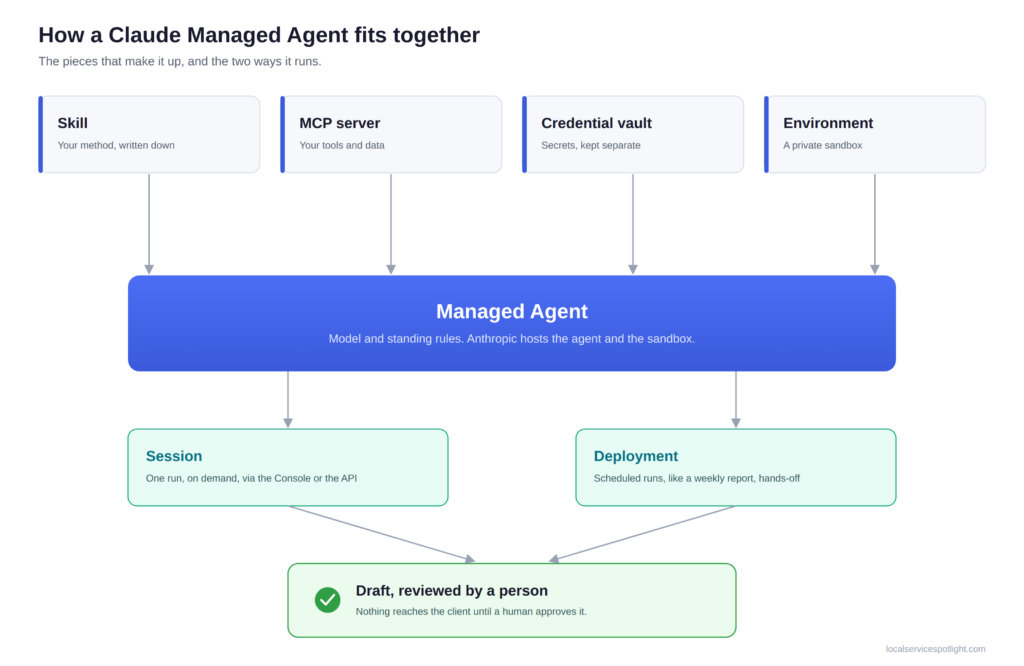
By Daniel Goodrich, Local Service Spotlight A Claude Managed Agent is an AI agent that Anthropic hosts for you, along
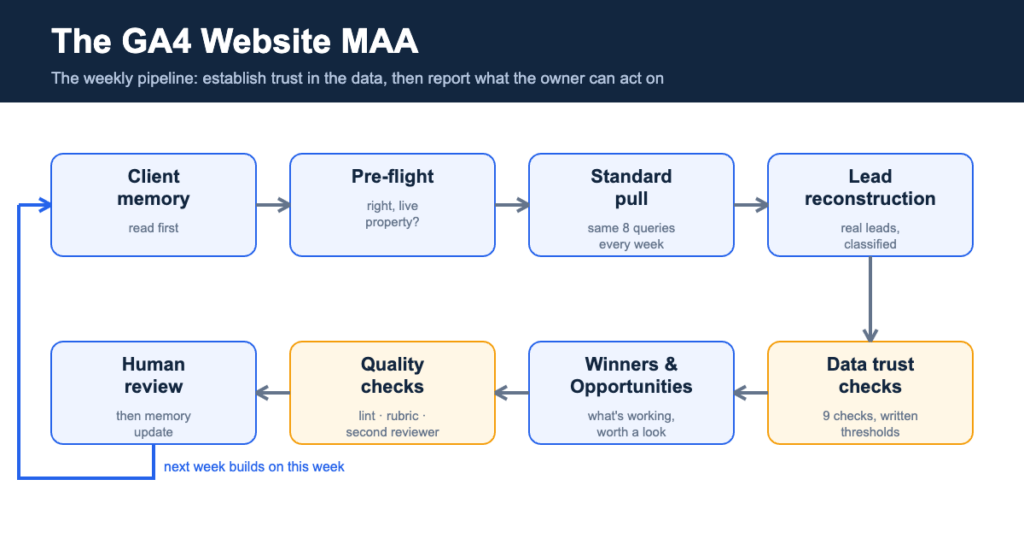
The working SOP for our GA4 Website MAA: how we’re teaching an AI agent to establish data trust, reconstruct real leads, and report what an owner can act on.

The one step only a human can do: mint a WordPress Application Password on blitzadmin.com and hand the key to the agent. Walked through with two real sites — no password sharing, fully revocable.
When we build a personal brand site for our clients, friends, or partners, we set up Google Analytics automatically. Our
If you run a WordPress site, you’ve probably noticed your inbox filling up with emails like “A new comment on
This page is a worked example (a leaf). The canonical for how we audit is How we audit. 13,000+ contractors