
I’ve known David Carroll for over 12 years. In that time, I’ve watched him start four completely different businesses in industries he knew nothing about and scale every single one of them. Power washing. Data. Software. Direct mail and print. And now his company, Dope Marketing, is heading toward a $100M valuation.
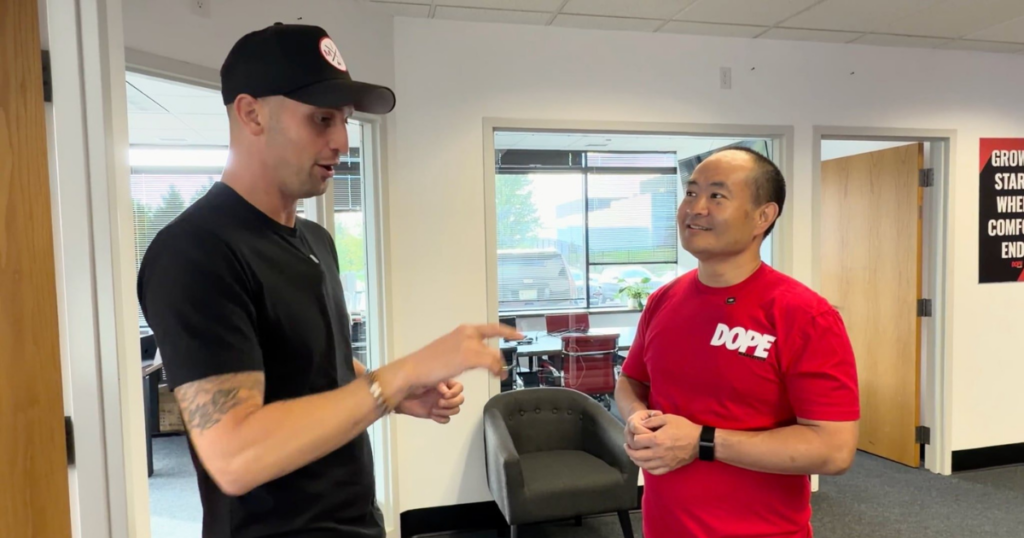
What makes David different isn’t some secret formula. It’s a combination of relentless curiosity, radical transparency, and a willingness to become a student before ever trying to become a teacher.
When I asked him how he’s able to walk into a brand new industry as a complete unknown and become a major player, his answer was simple: “If someone else has done it, I can do it too.” But it’s not just talk. David actually does the work. He buys the equipment. He learns the trade. He stays up later and wakes up earlier than everyone else. And then, once he’s deep enough in the weeds to truly understand the problems, he starts sharing what he’s learned.
That approach is what took him from running a power washing company out of a van he could barely afford to building one of the most innovative direct mail and print companies in the country.
The blue ocean nobody saw
One of the most fascinating parts of our conversation was David explaining why he got into the print industry, something even he would have called crazy five years ago.
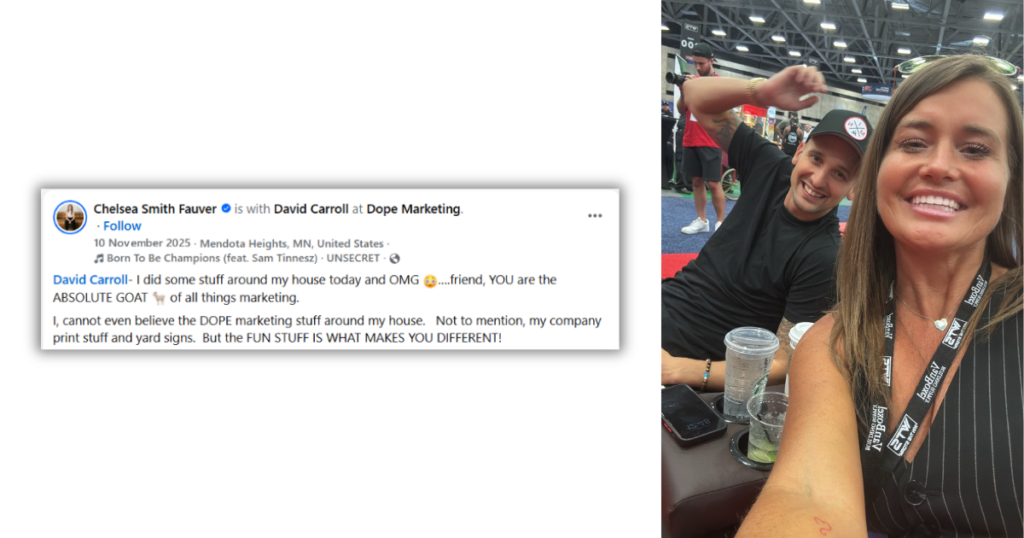
The print world had been doing things the same way for decades. Companies were undercutting each other on price, nobody owned any real IP, and the industry was valued at a measly 1.5 to 2X multiplier. Meanwhile, everyone was chasing the latest social media trend, fighting over ad space, algorithm changes, and targeting overlap.
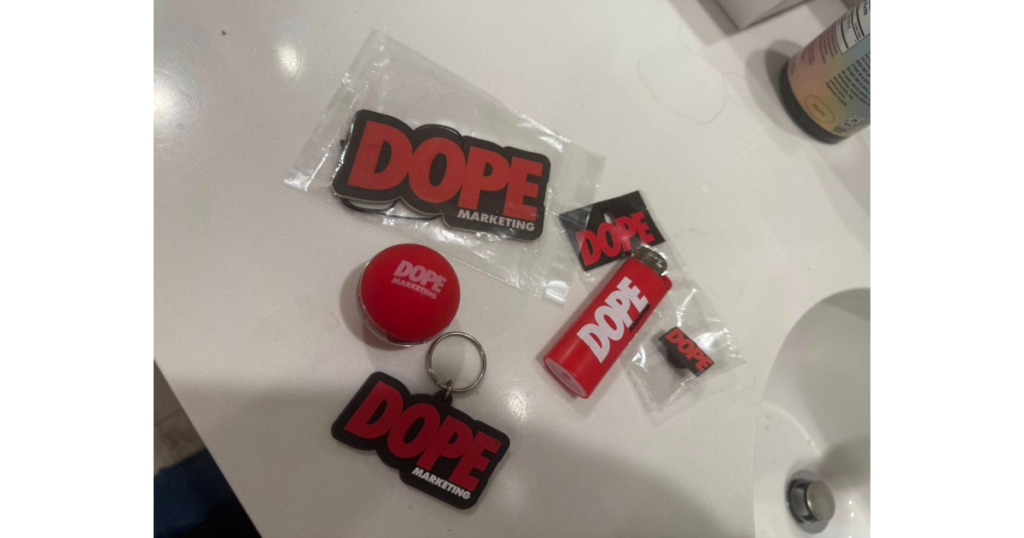
David saw what nobody else was looking at. Direct mail and print was a blue ocean. Not because the medium was dead, but because nobody had bothered to innovate it. No automation. No data-driven targeting. No technology integration. Just old equipment, old processes, and old thinking.
So David built the thing that didn’t exist. Automated postcards triggered when a job gets approved. Targeted mailers based on customer data. Neighborhood campaigns that fire automatically. He turned a dying industry into a tech-enabled growth engine for home service businesses.
Prison, authenticity, and building real relationships
David spent four and a half years in a maximum security prison between the ages of 21 and 25. He doesn’t shy away from that, and he doesn’t romanticize it either.
What he does credit that experience with is teaching him the value of authenticity. When you’re surrounded by people in extreme circumstances, you learn very quickly how to read people, how to build trust, and how to be real.
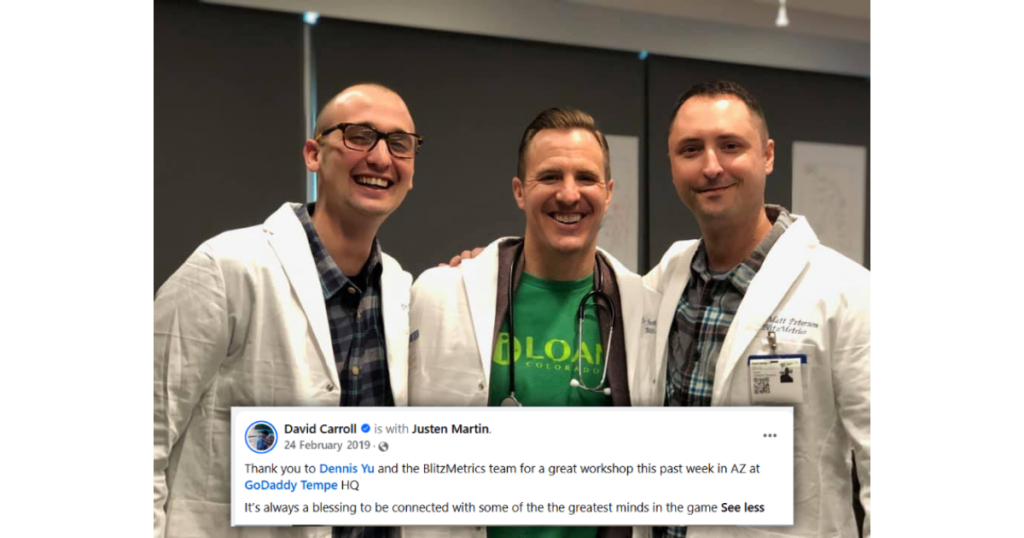
I’ve watched David walk into rooms full of strangers, top-level entrepreneurs and business owners, and leave three days later with relationships that last years. I asked him how he does it, and his answer was disarmingly simple: “This is what you get.”
David is the same person with his wife, his kids, his business partners, his employees, and people he just met five minutes ago. That consistency is rare, and it’s magnetic. People can feel when someone is genuine, and it accelerates trust in a way that no networking strategy ever could.

What Tommy Mello taught him about the real cost of success
David is close friends with Tommy Mello, the founder of A1 Garage Door Service, who recently exited for over $400 million. David has spent time at Tommy’s apartment buildings, stayed up until 3 a.m. looking at spreadsheets with him, and watched the entire journey from the inside.
And what David wants people to understand is that nobody saw the grind.
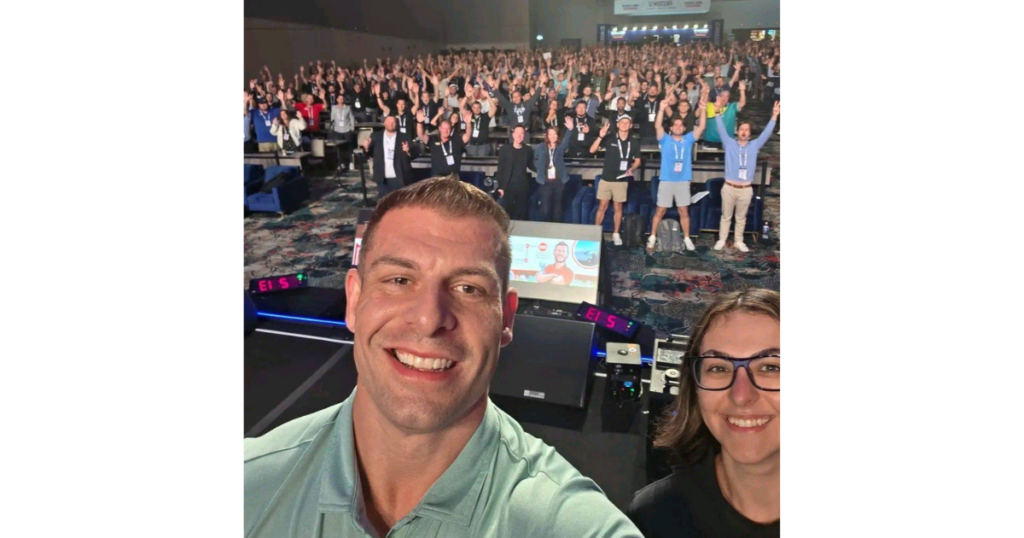
They see the jacked guy on stage with the beautiful fiancée and the celebrity connections.
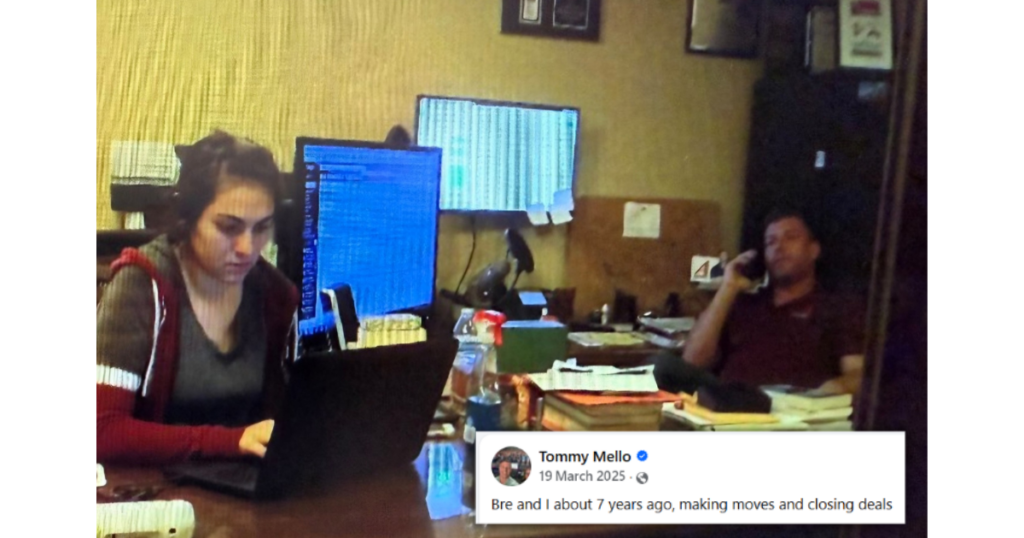
They don’t see the Christmas light business, the vehicle wrap company he started just to pay for his fleet, or the years of obsessive, superhuman work ethic.
David’s message is pointed: if you build a business and sell it for $5 or $10 million in 10 years, you won. Stop chasing numbers that look good on Instagram and start asking yourself what you actually want your life to look like. Less than 400 people in the United States are billionaires. Less than 3.5% of Americans make over $500,000 a year. The odds aren’t what people think they are.
Why David doesn’t want to be a billionaire
This was one of the most honest moments in our conversation. David has been around billionaires. He’s spent time at Jesse Itzler and Sarah Blakely’s home. He ran into Sarah at the pool in Dorado Beach and watched a woman worth over a billion dollars who couldn’t even enjoy a quiet afternoon without being recognized.
David’s conclusion: he doesn’t want that life. Not because he can’t build it, but because he’s clear about what he actually values. Time with his five kids.

His relationship with his wife of 15 years.
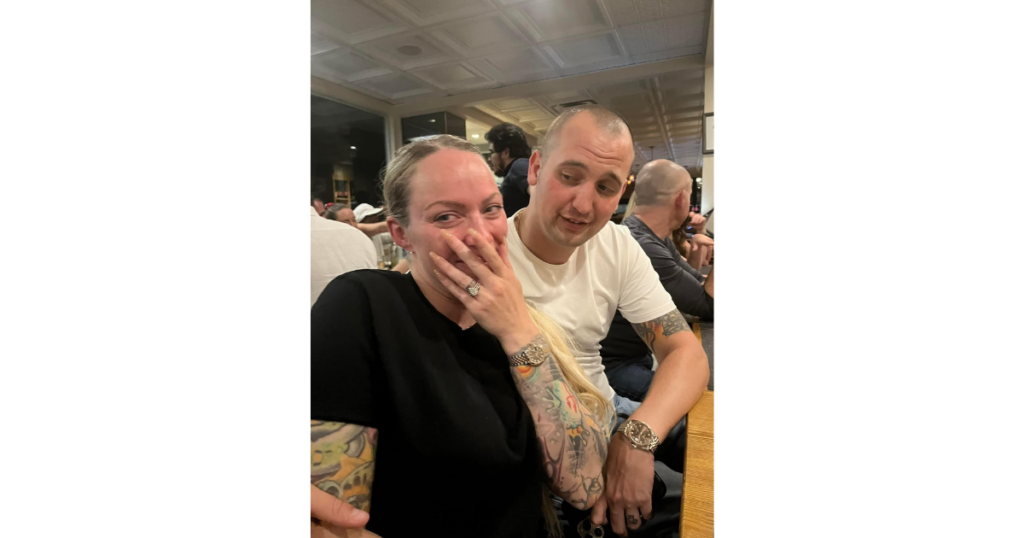
The ability to run his business without every person he meets wanting something from him.
He told me that five years ago, he put blinders on and turned down every partnership, every affiliate deal, every shiny new idea. He just built Dope Marketing. And now, if he wanted to stop working today, his kids would be taken care of.
That’s a version of success most people never talk about.
The mantra: to have control is to give up all control
One of the biggest shifts David described was learning to let go. His mantra last year was “to have control is to give up all control.” For someone who admits he’s a terrible manager and struggles with patience, this was a real shift.
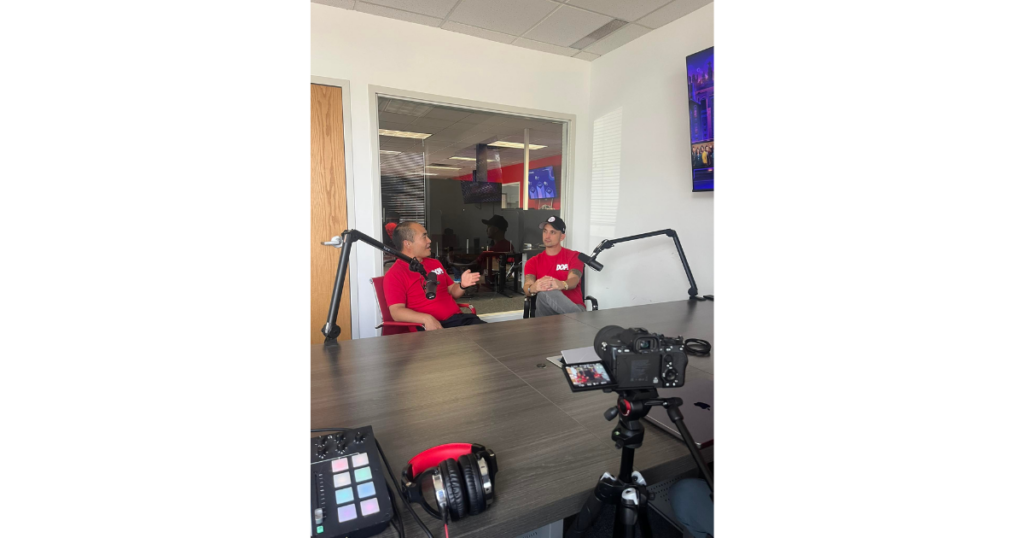
David realized that if he could communicate clearly enough and set expectations well enough, he could hand things off, even if the other person only did it at 50 or 70 percent of his level. The alternative was doing everything himself and hitting a ceiling.
He also talked about how staying in the moment has become his daily practice. Anxiety pulls you forward into what could go wrong. Depression pulls you backward into what already went wrong. The job, as David sees it, is to stay right here and deal with what’s actually in front of you.
Personal growth as the unlock for business growth
The most powerful insight David shared was this: the people he’s watched break through to the next level of business success didn’t get there through better strategy or smarter hiring. They got there through personal growth.

They lost 65 pounds. They gave up drinking. They dealt with their trauma. They stopped a destructive habit. And once they broke through that personal glass ceiling, the business followed.

David and his wife are coming up on four years of sobriety. He used to be the guy nobody’s wife wanted their husband hanging out with on business trips. Now he’s the guy sitting in Puerto Rico, staring at the ocean, asking himself what he’s going to do when things aren’t this good anymore.

That kind of thinking doesn’t come naturally. It’s earned through years of growth, failure, self-awareness, and showing up every single day.
This was one of those conversations that changed how I think about success and what it really costs to get there.
Originally published .