Jack Hughes runs a podcast in the online tech safety space. When he came to our weekly call, he had a clear problem. He had been sending cold emails to potential guests, and almost nobody was replying.
“I’ve tried sending out a few emails and stuff like that. So far, I haven’t gotten a lot of replies. I’m trying to figure out how I can best invite people on,” Jack said.
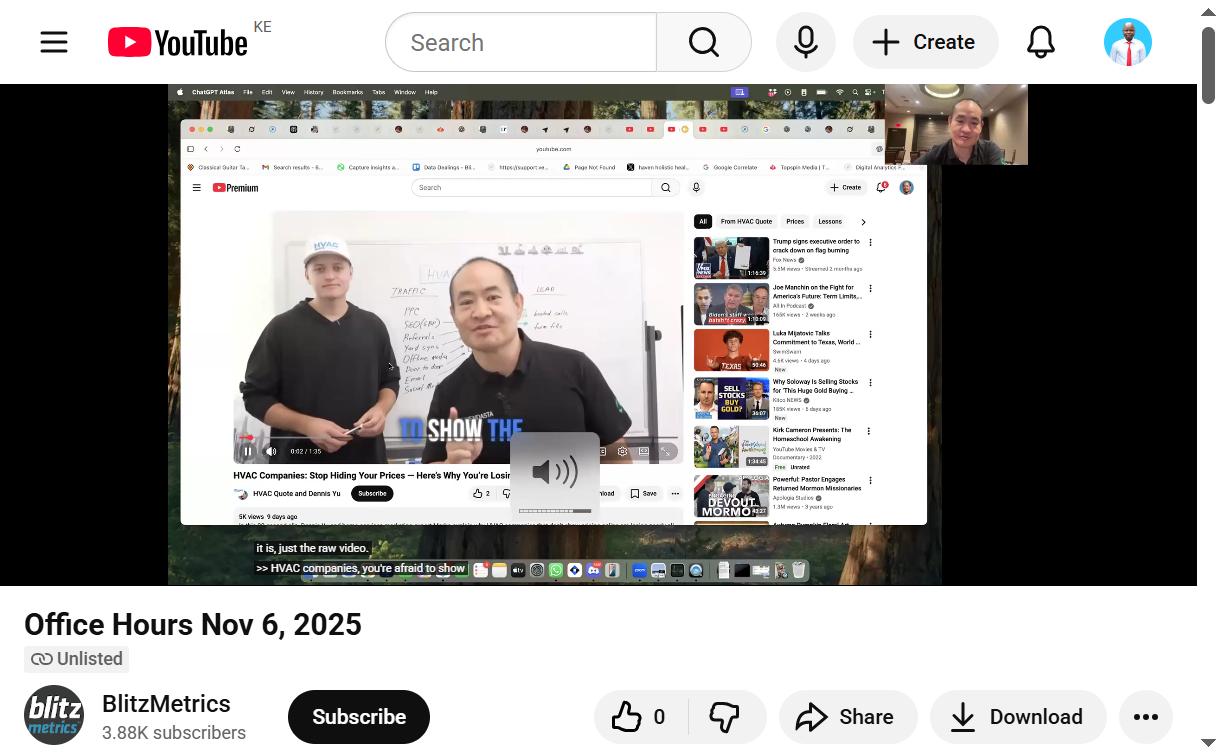
That one question opened up an hour-long conversation between Jack Wendt, Billy Hale, Luke, Henry, and a few others on the call.
Stop cold emailing, Borrow trust instead
Jack Wendt jumped in first. Before answering Jack Hughes, he asked one question: who do you already know in this space? Jack Hughes mentioned that he had already recorded an episode with Nikki from Scrolling to Death, who is well known in the online safety world. That was the opening Jack Wendt was looking for.
“I would search up her LinkedIn connections. You can download her connections with their emails. Create a list of her connections and then just reach out to people in her network,” Jack Wendt said.
People judge you by who already vouches for you. The pitch Jack Wendt laid out leans on that. Open with the existing relationship, name the alignment, and ask for a conversation: “Say, hey, we had an episode with Nikki, went really well. I know you guys are connected. Would you be willing to sit down and talk if we had some common alignment?”
Jack Wendt also said to attach the written version of the Nikki episode to the outreach email. “That’s just practicing what we preach. Repurposing the content that you’ve made and allowing your greatest hits to be exponentially used.”
One real relationship opens ten doors when you ask for the next introduction. A hundred cold emails open none.

One podcast guest spot is a backlink machine
The team spent a good chunk of the call breaking down what actually happens after you land a guest spot on someone else’s show. The math is simple once you see it.
- The host links to your website in the show notes, which gives you a backlink from their domain.
- The episode gets distributed to Apple, Spotify, Podchaser, and other directories. Each listing comes with a link back to you.
- You get exposure to the host’s audience, which drives referral traffic and the social signals search engines pay attention to.
- When you bring guests onto your own show, they share the episode with their audience. The same backlink stack works in the other direction.
This is where Google’s E-E-A-T framework starts to matter. Google rewards experience, expertise, authoritativeness, and trustworthiness. Real conversations with recognized people in a niche, published consistently across multiple platforms, satisfy every one of those signals at once.
Run the math on Jack Hughes. He books Nikki. Nikki introduces him to three people in her network. Each of those guests shares the episode. That is four new backlinks and four new audiences from one warm relationship.
George Paladichuk did this with roofing and grew a 100-client agency
The clearest proof that this approach works comes from someone on the same call: George Paladichuk. George runs Nail AI and is currently scaling a 100-plus client agency serving the roofing industry, all while still in college.

When George started a new podcast called Nail It, he reached out to the top ten people in the roofing world. Eight responded. All eight said yes. Dan Antonelli is the biggest name in home service branding. Lance Bachman. Randy Brothers. The who’s who of the industry.
What did he say? Nothing clever. He introduced himself, mentioned his show, named one specific thing he loved about their work, and asked if they would come on. That is it. The more guests you have on your show, the more guests want to come on your show.

George prepared obsessively before each conversation. He researched each guest’s background, found one thing he genuinely loved about their work, and brought it up in the intro. Guests felt the difference and gave more in the conversation.

George’s whole arc shows what is possible when a young adult takes the warm-outreach playbook seriously and pairs it with AI to scale the work. The podcast became the vehicle that carried everything else.
Turn one episode into a week of content using AI
Later in the call, Jack Hughes brought up his second problem. He had been using Descript to cut clips from his episodes and posting them across socials, but he felt frozen.
“I’ve been taking clips from Descript that cut up my podcast, and I’ve been posting that on all the socials. I kind of get frozen like, do I post a quick 30-character post on Twitter, do I do a photo on Instagram, and how often should I be doing that?” Jack Hughes said.
The clips are only the first layer. The real value is in the transcript. Run the transcript through your AI workflow, and you can pull blog articles, email newsletters, and social posts out of one episode without creating anything from scratch.
- Record one long-form podcast episode per week. That is your pillar content.
- Run the transcript through your AI agent and turn it into a blog article on your website.
- Cut two or three short clips for TikTok, Reels, and YouTube Shorts.
- Send the article out to your email list. Every published article should also go out as a newsletter.
Luke, who runs a personal training business, said this is the part of the system he leans on the hardest. “I like the idea of not having to do cold outreach. I really don’t like cold outreach. Just as a person, when I get people reaching out to me trying to sell their services, it really bothers me. So I try to have empathy for that when I’m trying to sell my services.”
That is the Content Factory in practice. Produce one piece of pillar content, process it into multiple formats, post each piece on the right platforms, and promote the winners with a small daily ad spend.

Your newsletter is a distribution engine, not a side project
Billy Hale brought up his own situation halfway through the call. He runs a real estate newsletter that has been going for several years, with around 1,500 subscribers and a 60 to 65 percent open rate. The numbers are good. The connection between the newsletter and his website was the gap.
“I’ve been kind of working on some web page landing page stuff, just trying to get some of that stuff where it can go travel, you know, all the efforts kind of travel somewhere,” Billy said.
Whatever you publish, every piece should push readers back to your domain. The newsletter is the distribution engine. The website is where the authority lives. Billy’s plan was to write a short intro in the email, then hyperlink the data to a landing page on his site so the traffic pulls toward an asset he owns.

Pick a niche and let authority compound
Henry was also on the call. He had been sitting on the idea of building an agency focused on dentistry, but had not set up any of the base accounts yet.
“I haven’t set up my like anything with my agency yet, which I should probably get on at least creating the base accounts. Like what do you recommend for that? Like the initial setup,” Henry said.
Pick a single niche and go deep. Henry chose dentistry. George locked in on roofing. When every article, every guest spot, and every backlink you earn points back to the same topic, search engines see consistency and reward it. The pattern works because it is honest. You actually know more about your niche than people who try to talk to everyone.
Why does this matter more as AI takes over content
As AI floods every platform with generic content, the credibility signals you generate from real associations get more valuable, not less. There are thousands of agencies that all sound the same. There are 50 voice agent startups that all look the same.
The difference between the winners and everyone else is going to be measured in real conversations with real people who will vouch for you.
One podcast guest leads to a backlink, an article, a newsletter, a few short clips, and a warm introduction to the next guest. That single relationship can generate more authority than a hundred cold emails ever could.
If you are a young adult who wants to learn how to do this
Every person in this conversation, Jack Hughes, Billy, Luke, Henry and George, is part of the AI Builder Program at HighRise Influence.
The pattern is the same one George ran in roofing, and Marko ran to a seven-figure agency. Weekly calls, real client problems, and AI to scale the work.
If you are a U.S.-based young adult willing to put in five hours a week, the AI Builder Program at HighRise Influence is where this gets taught.